Cuenca's Food Bank Rescues 57,000 Kilos of Food Every Month — And You Can Help
 Chip Moreno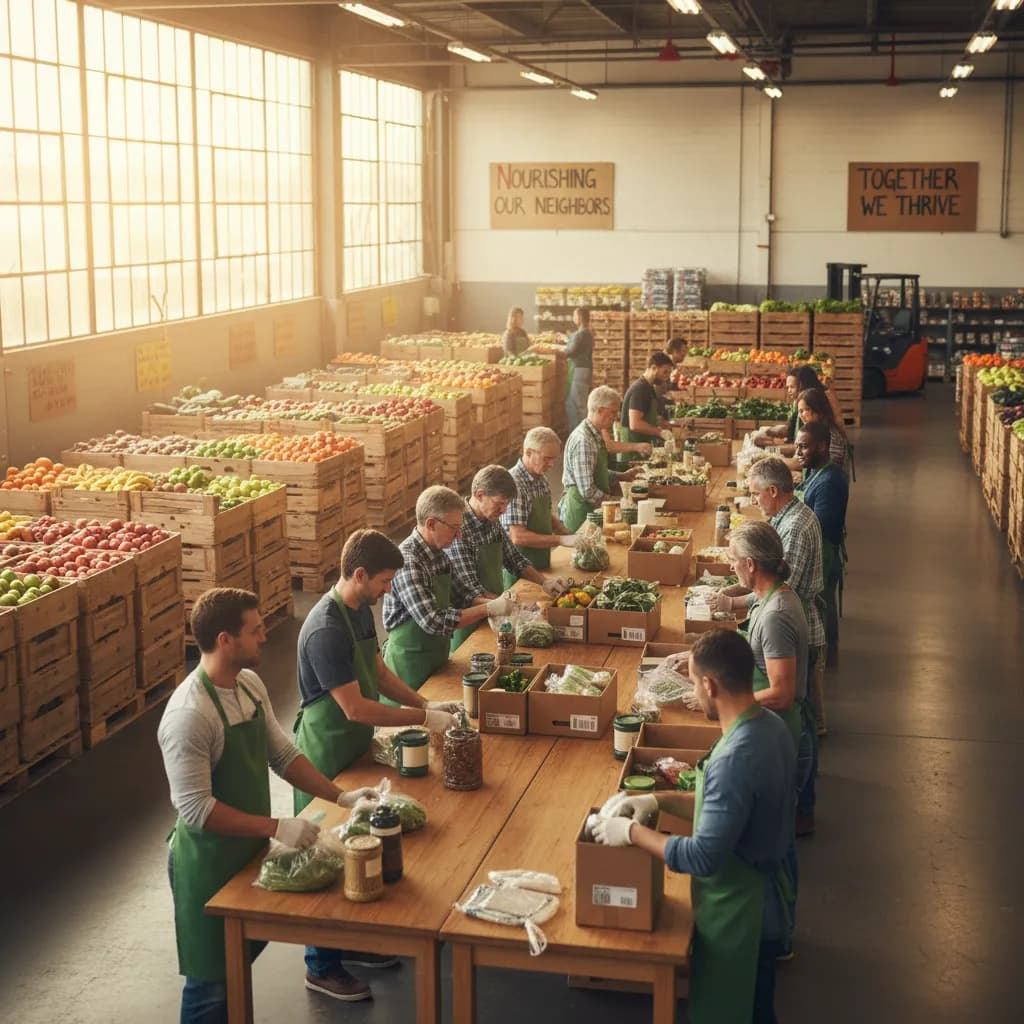
57,000 Kilos. Every Month.
There's a warehouse in Monay where 60 volunteers show up on rotating shifts every week to sort, sanitize, and package food that would otherwise go to waste. They've been doing it for eight years, and the numbers keep growing.
The Banco de Alimentos de la Arquidiócesis de Cuenca (Food Bank of the Archdiocese of Cuenca) rescues an average of 57,000 kilograms of food per month — up from 47,000 kilos just six months ago. Of that, about 48,000 kilos pass sanitary controls and get redistributed to people who need it.
How It Works
The operation is straightforward but well-organized:
- Collection: A truck and a smaller vehicle make daily rounds to partner establishments — primarily supermarkets — picking up food that's still safe to eat but approaching its sell-by date or has been pulled from shelves for commercial reasons
- Processing: At their facility in the Seminario de Monay (calles OEA y Pasto), the food goes through reception, sanitization, classification, and either refrigeration or freezing
- Distribution: The processed food goes to 38 foundations and social organizations across Azuay province
The most commonly rescued foods: fruits, vegetables, legumes, dairy, and meat products.
Who Gets the Food
The 38 recipient organizations serve some of Cuenca's most vulnerable populations:
- Elderly care facilities (adultos mayores)
- Children's programs
- Youth rehabilitation centers
- Women's shelters (mujeres víctimas de violencia)
- Low-income families
- Community kitchens (comedores comunitarios)
Padre Jofre Astudillo, the coordinator, explains that the program started in 2017 as a way to connect the Church with the private sector — specifically to rescue perfectly good food from going to landfills while people in the same city went hungry.
It's Not Just Food
The organization has expanded beyond groceries:
- Banco de Medicamentos: They also accept unexpired medications with a wide shelf life remaining, coordinating with universities and medical schools
- Household goods: Donations of usable secondhand items and materials are accepted for families and institutions in need
How to Donate
This is one of the easiest ways to make a tangible difference in Cuenca:
Food donations: Non-perishable food items, fresh produce, dairy, or meat products (must be within date)
Medication donations: Unexpired pharmaceuticals with significant shelf life remaining
Household items: Clean, functional secondhand goods
Where to drop off: The Banco de Alimentos facility at the Seminario de Monay, located at calles OEA y Pasto in the Monay neighborhood.
Volunteer: They run on a system of 60 volunteers in weekly shifts. If you're looking for a meaningful way to spend a few hours a week, this is it.
You can find them on Facebook: search for "Banco de Alimentos de la Arquidiócesis de Cuenca"
Why This Matters
In a city where we often talk about Cuenca's affordability and food quality, it's easy to forget that many local families struggle to put food on the table. The basic family food basket in Ecuador costs $821 per month — nearly double the minimum wage of $482.
Organizations like the Banco de Alimentos bridge that gap, turning commercial food waste into meals for thousands. And they do it with volunteers, two vehicles, and the coordination of one dedicated padre.
If you've been looking for a way to give back to the city that's become your home, this is a great place to start.
Source: El Mercurio
More in Community
View all →Parents From 25 Rural Schools Marched on the Governor's Office — Their Kids Are Learning Under Collapsing Ceilings
February 20, 2026
Carnival 2026 by the Numbers: $82 Million in Tourism, 1.28 Million Trips, and Cuenca Ranked 3rd in Emergencies
February 19, 2026
Cuenca Uses Double the Water the WHO Recommends — And Nobody Seems Worried
February 18, 2026