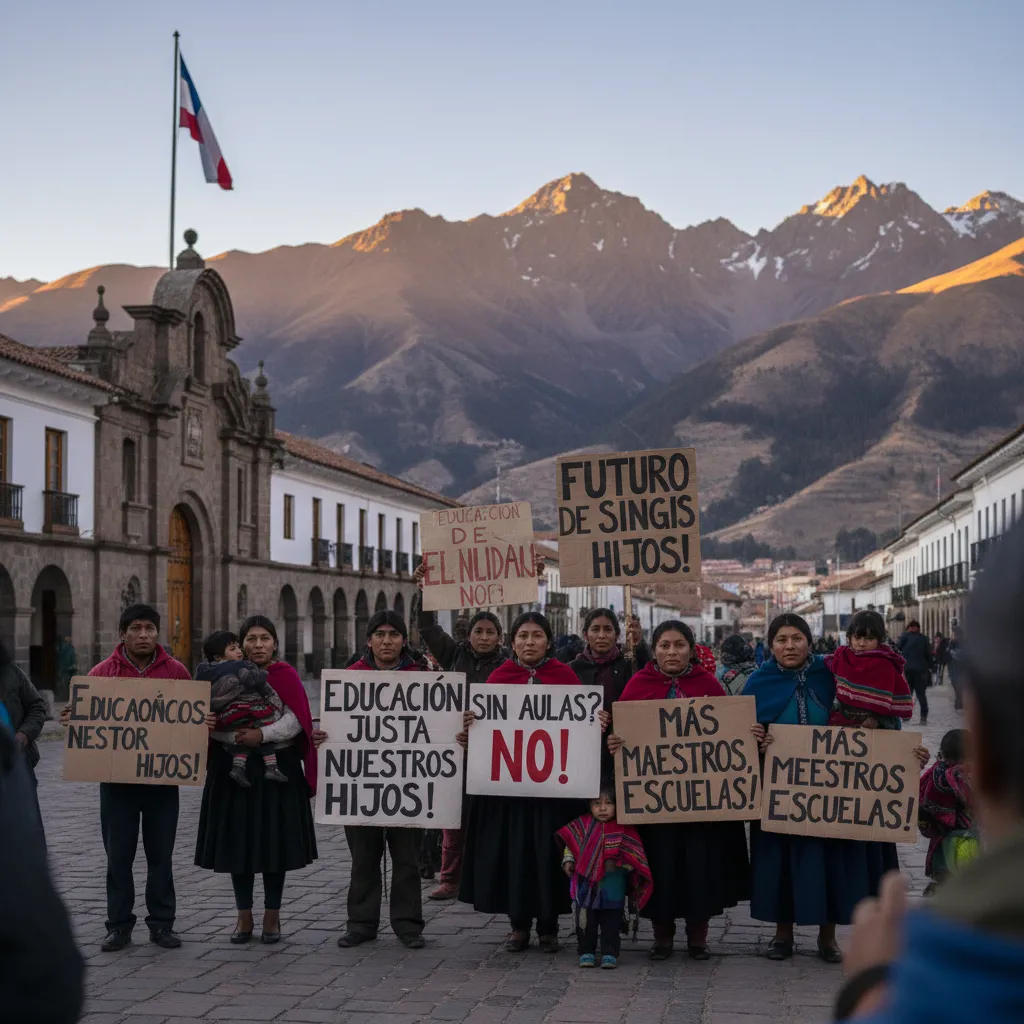
Thousands March Against Budget Reform That Could Gut Cuenca's Parks, Schools, and Social Programs
 Chip Moreno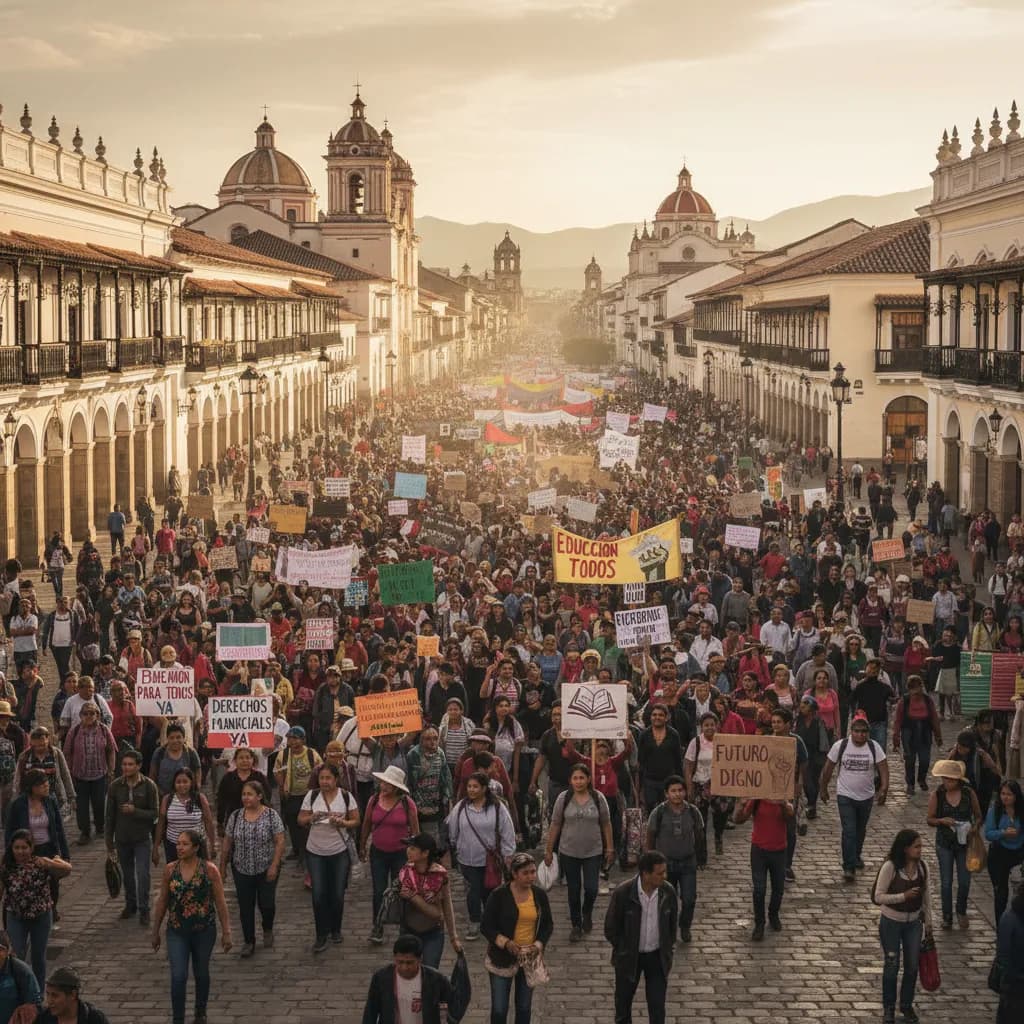
The Law Everyone's Talking About
If you've been wondering why your social media feed is full of angry Ecuadorians this week, here's the short version: the National Assembly is debating a law that could fundamentally change how cities like Cuenca spend their money — and not in a good way for residents.
The Ley de Sostenibilidad y Eficiencia del Gasto de los GAD (Law of Sustainability and Efficiency of GAD Spending) would reform the COOTAD, the legal framework that governs how municipal governments operate. The debate is happening today, February 20, at the Assembly — which controversially relocated to Universidad Ecotec in Samborondón, Guayas instead of holding it in Quito where thousands of protesters had gathered.
What the Law Would Do
The proposed reform mandates that local governments (GADs) spend 70% of their central government transfers on investment and cap current spending at 30%. That sounds reasonable until you realize how "current spending" is classified.
Here's the problem: salaries for social workers, teachers, cultural program staff, and healthcare professionals all count as "current spending." So if your municipality runs a youth program to keep kids off the streets, or funds shelters for women fleeing domestic violence, or employs teachers at municipal schools — all of those payrolls get squeezed into that 30% cap.
The Numbers Are Alarming
In Quito alone, the numbers paint a grim picture:
- 1,400 municipal school teachers could lose their jobs
- 27,000 students could lose access to education
- Women's shelters (casas de acogida) could lose their funding
- Childcare centers (guarderías) could close
Lizi Ernst, president of the Coalición Nacional de Mujeres del Ecuador, put it bluntly: "These are projects the central government won't be able to cover. Women will be left defenseless. They won't have access to childcare, they won't be able to work, and poverty will increase."
Why Cuenca Should Be Paying Attention
Cuenca's mayor Cristian Zamora has publicly rejected the COOTAD reforms. And with good reason — Cuenca's municipal government directly funds:
- Park maintenance (already cut due to the EMAC garbage fee situation — see our previous coverage)
- Cultural programs including the Bienal and local arts initiatives
- Youth and social programs across the city's 21 parishes
- Municipal infrastructure projects for schools and public spaces
If this law passes as written, Cuenca would face the same impossible math as every other city in Ecuador: either cut social programs to meet the 30% cap, or violate the law.
The Assembly Moved the Debate — And People Noticed
The decision to hold the vote in Samborondón instead of Quito didn't go unnoticed. Protesters accused the Assembly's Economic Development Commission of refusing to hear their concerns before the vote.
Miguel Chávez, representing parents from Quito's municipal schools, didn't mince words: "We can't help but think they're trying to take the discussion to a place where there's no conflict."
What Happens Next
The second and final debate is happening today. If the law passes, implementation timelines and potential legal challenges will follow. Municipal leaders across the country — including Cuenca's — are already signaling they'll fight it.
This is one to watch. The outcome will directly affect the quality of public services in Cuenca for years to come.
Sources: El Mercurio, CuencaHighLife
More in News
View all →Cuenca's Mayor Just Filed a Legal Complaint Against Foreigners Who Accused Him of Leaking Information
February 20, 2026
Another Restaurant Hit by Thieves Near Puente Roto — Right on Cuenca's Most Popular River Walk
February 20, 2026
Police Just Set Up a Permanent Checkpoint in Sayausí — Here's What That Means for the Cajas Road
February 20, 2026