800 Unpublished Documents from Former President Luis Cordero Crespo Come to Light in Cuenca
GET YOUR ECUADOR VISA HANDLED BY EXPERTS
Trusted by 2,000+ expats • Retirement • Professional • Investor visas
A remarkable piece of Cuenca's history has been sitting on the third floor of a house in the Historic Center, largely untouched for over a century.
Researchers at the Universidad Católica de Cuenca have begun conserving and cataloging approximately 800 documents from the personal archive of Luis Cordero Crespo -- Ecuador's president from 1892 to 1895 and one of Cuenca's most important historical figures. The materials were found in his former residence, which the university is converting into a cultural center.
What They Found
The collection spans from the 18th through early 20th centuries and includes:
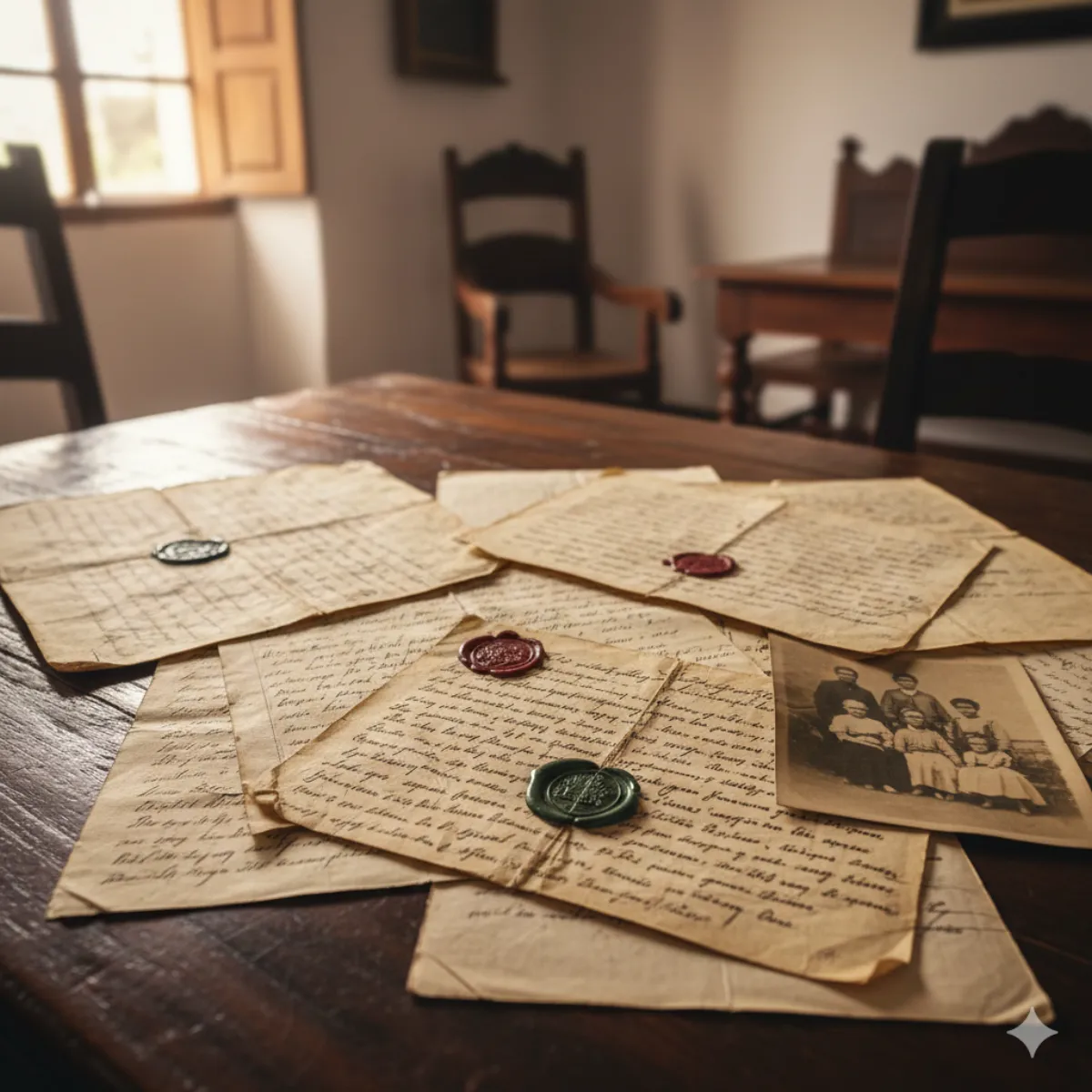
- Handwritten letters with watermarks and gold leaf decorations
- Sealed envelopes that had never been opened
- Photographs from the era
- Personal notebooks and journals
- Musical scores
- Economic transaction records
- Texts written in Latin and Quechua
That last detail is especially significant. Cordero Crespo wrote in Quechua -- a fact that underscores his intellectual range and his connection to indigenous culture at a time when most Ecuadorian elites conducted their affairs exclusively in Spanish.
Who Was Luis Cordero Crespo?
For expats who've walked past the street signs and statues without context: Cordero Crespo was a polymath. Beyond serving as Ecuador's president, he was a poet, linguist, politician, and naturalist. He wrote extensively on quinine exportation and natural resource protection -- progressive environmental thinking for the 1890s.
He's one of the reasons Cuenca has the intellectual and cultural reputation it carries today. His home in El Centro was a center of political and literary life in the southern highlands.
The Conservation Project
The documents are fragile. Restorer María Dolores Donoso, who is working on the collection, noted that "light, heat, and water are the greatest enemies of historical documents" -- and these materials have endured all three across more than a century of storage.
The conservation project is being directed by Gemma Rosas, Cultural Affairs Director at the Universidad Católica de Cuenca, with the following details:
- Duration: December 18, 2025 through June 18, 2026
- Funding: $20,000 from Ecuador's National Cultural Heritage Institute (INPC)
- Process: Conservation, organization, digitization, and eventual public online access
Once digitized, the collection will be accessible to researchers and the public -- the first time these documents will be widely available.
An Unexpected Discovery About Women
One of the more striking findings: the letters reveal that women played a far more active role in family affairs, political participation, and self-education during this period than traditional histories have acknowledged. The correspondence includes letters from and about women who were engaged in intellectual and civic life -- reshaping the narrative beyond the prominent men who dominate the history books.
Why It Matters for Cuenca
Cuenca's UNESCO World Heritage designation is built on its colonial architecture and cultural legacy. But the physical buildings are only part of the story. Collections like this one -- primary source documents from the people who shaped the city -- add depth and substance to what can otherwise feel like a purely aesthetic designation.
If you're interested in Cuenca's history beyond the guidebook version, this is the kind of discovery that makes the city's past come alive. Keep an eye on the Universidad Católica's announcements for when the digitized collection goes public.
Source: El Mercurio

Cuenca Expat Staff
The Cuenca Expat editorial team covers news, lifestyle, and practical information for the expat community in Cuenca, Ecuador.
EcuaPass
Your Ecuador Visa, Done Right
Retirement • Professional • Investor • Cedula processing & renewals — start to finish by licensed experts.
Get a Free Consultationecuapass.com