350 Volunteers Just Got Certified to Protect Cuenca's Drinking Water — Here's Why That Matters
 Chip Moreno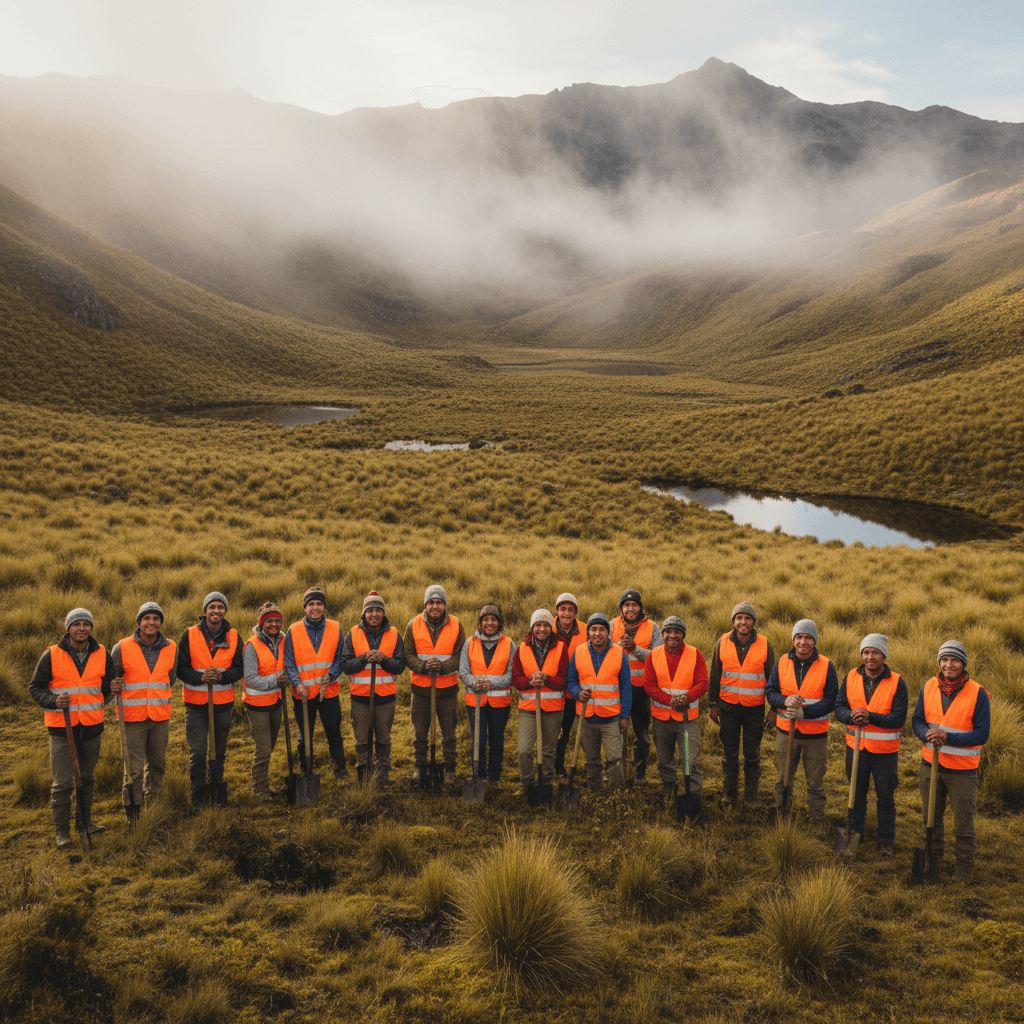
If you've ever turned on your tap in Cuenca and thought, "this water is actually pretty good" — you're right. Cuenca has some of the cleanest municipal tap water in Ecuador, and it comes directly from the páramo highlands above the city.
Now there are 350 more people trained to protect it.
What Happened
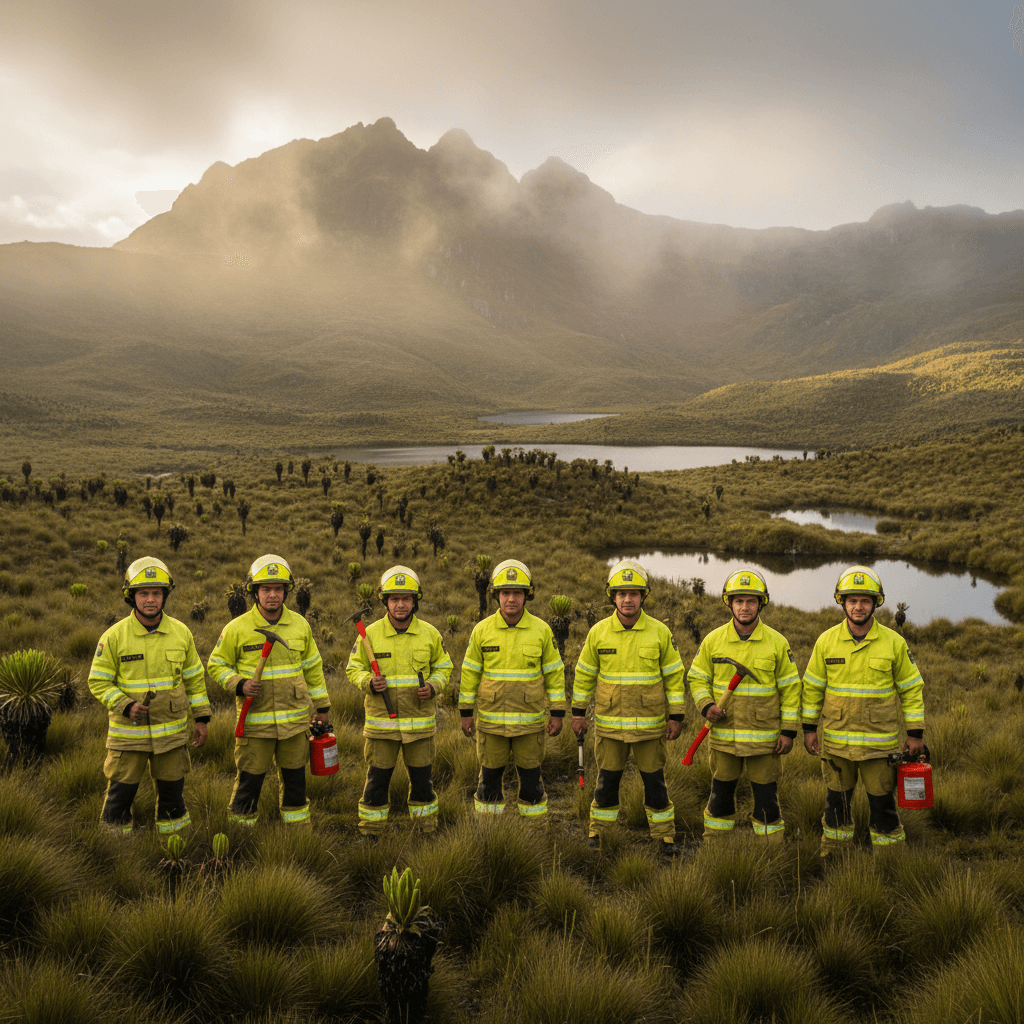
ETAPA EP — the public utility that manages Cuenca's water, sewage, and telecommunications — just certified 350 community forest brigaders from rural parishes across the canton. These are volunteers from communities that live near the páramos and cloud forests that feed Cuenca's river system.
The certification program trained them in:
- Wildfire detection and first response — spotting fires early and containing them before they spread
- Controlled burns — using fire strategically to prevent larger wildfires (a technique Indigenous communities have used for centuries)
- Watershed protection — understanding how the páramo ecosystem captures and filters water
- Emergency coordination — working with ETAPA's professional ranger teams and ECU 911
Why This Matters to You
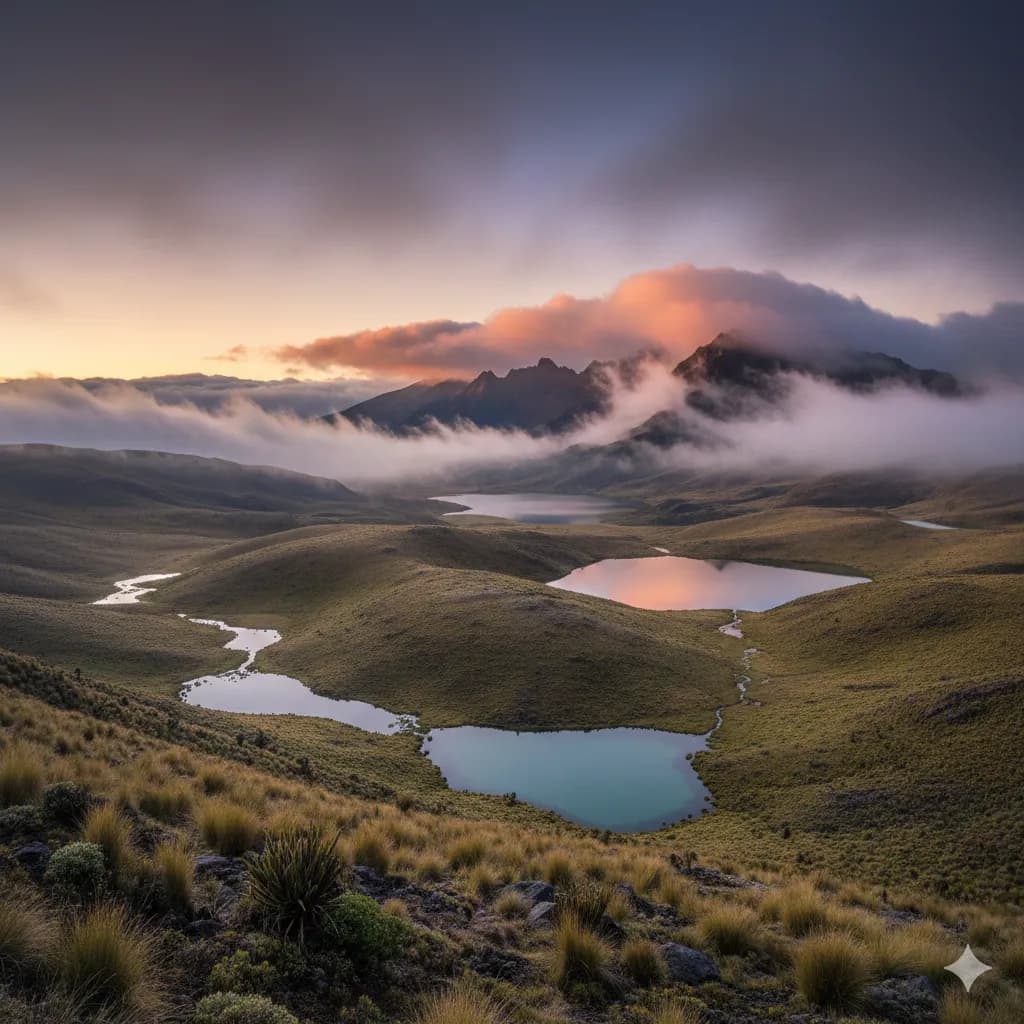
Cuenca's drinking water doesn't come from a treatment plant in the traditional sense. It comes from páramo sponges — the high-altitude grasslands above 3,500 meters that act like massive natural water filters. Rain falls on the páramo, gets absorbed by the spongy soil and moss, and slowly releases into rivers that flow down to the city.
When those páramos burn, the sponge effect disappears. Water runs off instead of filtering through. Rivers flood in the wet season and dry up in the dry season. Water quality drops.
In 2024, over 11,000 hectares burned across the Azuay region, including 2,000 hectares inside Parque Nacional Cajas — which is the primary water source for the entire city. That wasn't just an environmental tragedy. It was a direct threat to Cuenca's water infrastructure.
The Community Defense Model
The 350 new brigaders come from parishes like Molleturo, Chaucha, Sayausí, San Joaquín, Baños, and Victoria del Portete — communities that border the critical watershed zones.
The logic is straightforward: ETAPA has 35 professional park rangers (who just received $215,000 in new firefighting equipment — we covered that today too). But 35 rangers can't be everywhere. The páramos span tens of thousands of hectares across rugged terrain.
Community brigaders serve as the early warning system and first line of defense. They live there. They see smoke before anyone else does. And now they know what to do about it.
The Bigger Picture
This program is part of ETAPA's broader "Yo Cuido el Páramo" (I Protect the Páramo) initiative, which has become the unofficial theme of this year's Carnival celebrations as well. The city is clearly trying to build a culture of environmental stewardship, and the community brigader program is the most concrete expression of that.
For expats, this is a reminder that the things we take for granted in Cuenca — clean water, green hillsides, mild climate — require active protection. The páramos aren't just scenery. They're infrastructure.
If you want to get involved, ETAPA periodically opens volunteer programs and reforestation events. Follow them on social media or check etapa.net.ec for announcements.
Sources: ETAPA EP, Metro Ecuador
Need visa help? Talk to EcuaPass.
Retirement, professional & investor visas — handled start to finish.
Daily Cuenca News
The stories that matter for expats in Cuenca, delivered daily. No spam — unsubscribe anytime.
Join expats across Cuenca. We respect your privacy.