Cuenca's Bienal Art Festival Just Turned the City Into a Giant Gallery — Here's How to See It All
 Chip Moreno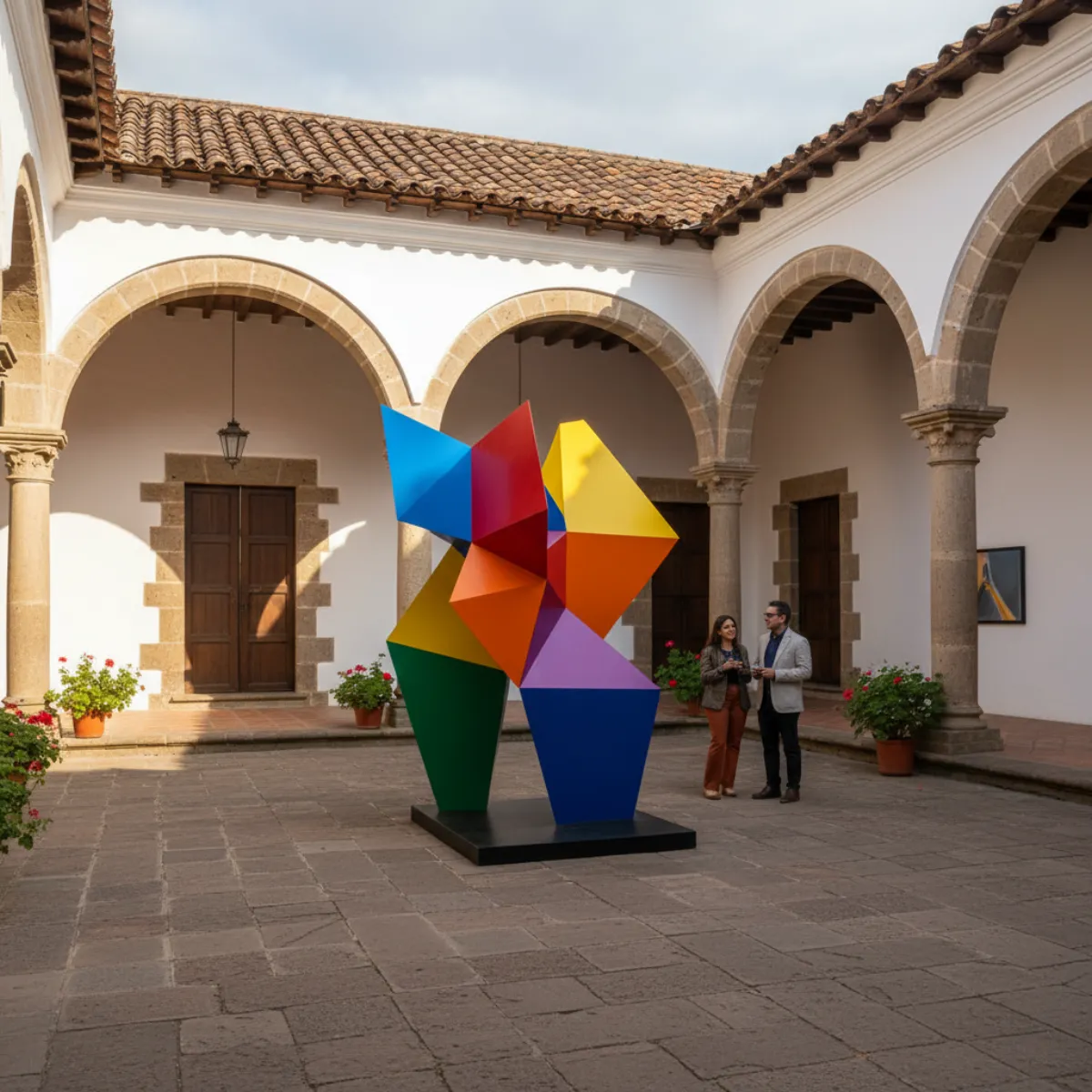
The City Is the Canvas
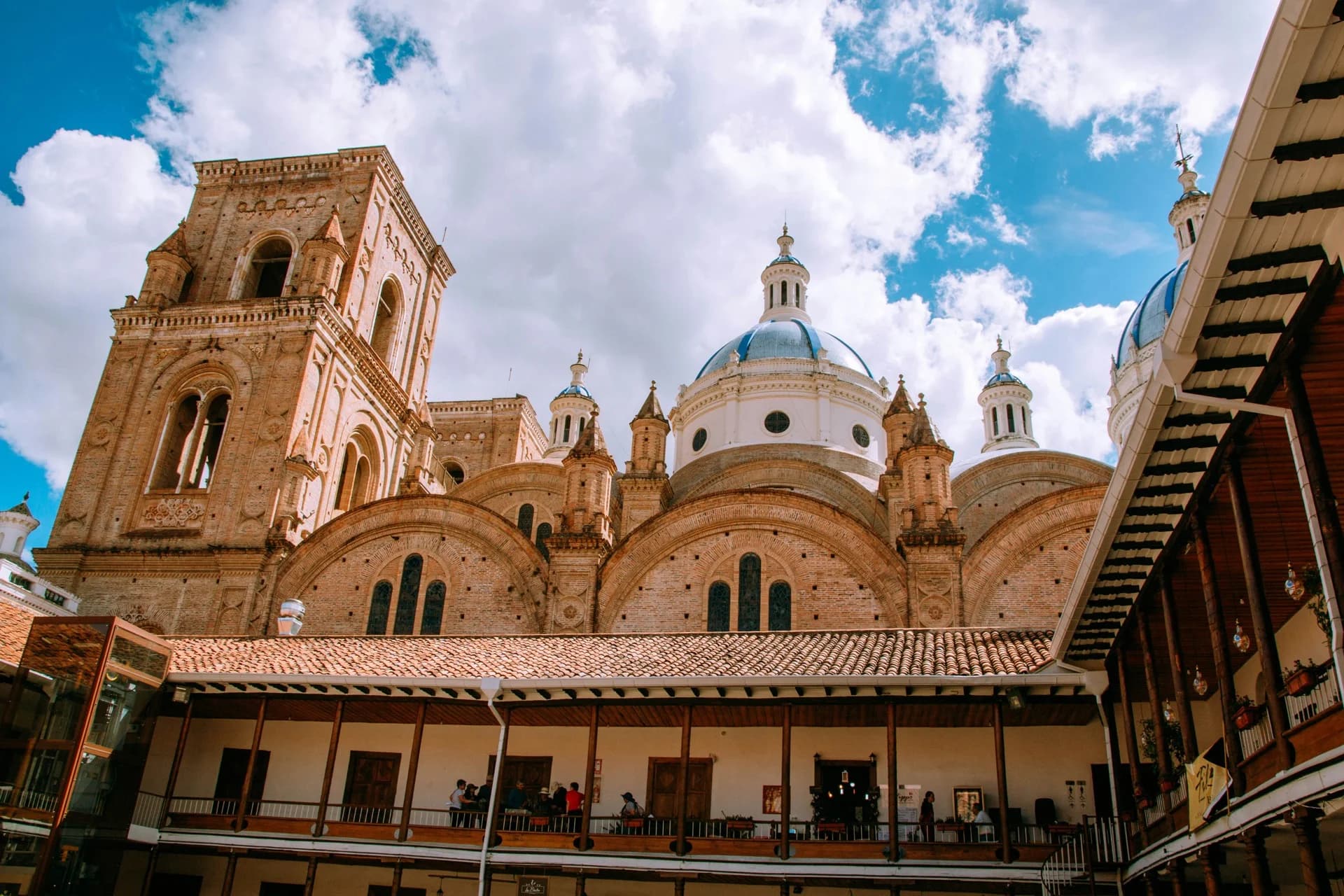
Every two years, something remarkable happens in Cuenca. The colonial plazas you walk through on your way to grab coffee, the heritage homes you've strolled past a hundred times, the quiet museum courtyards — they all become something else entirely. They become art.
The XVII Bienal de Cuenca is here, and this year's edition, titled "El Juego" (The Game), is turning our city into one sprawling, open-air gallery. If you've been looking for a reason to get out and explore corners of Cuenca you haven't visited in a while — or ever — this is it.
What Is the Bienal, Exactly?
The Bienal de Cuenca (Cuenca Biennial) is one of Latin America's most respected contemporary art events. Founded in 1987, it brings together artists from across the Americas and beyond to exhibit work throughout the city. It's not a single gallery show — it's a citywide experience that takes over dozens of venues.
Think of it as Cuenca's answer to the Venice Biennale, but more intimate, more accessible, and with much better weather.
The theme "El Juego" is intentionally layered. It's about play, yes — but also about the rules we follow, the games societies play, the stakes of participation and exclusion. Expect work that's playful on the surface but carries real weight underneath. Artistic interrogation dressed up as fun.
Where to Go and What to See
The beauty of the Bienal is that it's scattered across the city, which means exploring it doubles as a walking tour of Cuenca's best neighborhoods and landmarks. Here are the key venues to hit.
The Must-Visit Museums
-
Museo de Arte Moderno — This is ground zero for the Bienal and always hosts some of the most significant installations. Located on Calle Sucre in the heart of the historic center, the museum's whitewashed colonial courtyard provides a striking backdrop for contemporary work. Start here.
-
Museo Pumapungo — The Central Bank museum on Calle Larga is massive, and during the Bienal it dedicates significant space to featured artists. The combination of pre-Columbian artifacts and cutting-edge contemporary art creates a fascinating dialogue between past and present. Don't skip the ethnographic gardens out back.
-
Casa de la Cultura Ecuatoriana (Núcleo del Azuay) — On Calle Sucre near Parque Calderón, the Casa de la Cultura typically hosts multiple Bienal exhibitions across its gallery spaces. It's centrally located and easy to combine with other stops.
Heritage Homes and Alternative Spaces
What makes the Bienal special is that art doesn't stay confined to museums. Look for installations in:
- Restored colonial homes throughout the historic center that open their doors specifically for Bienal exhibitions
- Plazas and public spaces — Parque Calderón, Plaza de San Francisco, and the Barranco walkway along the Tomebamba River often feature outdoor installations
- Former industrial spaces and repurposed buildings that become temporary galleries
Keep your eyes open as you walk. Part of the joy is stumbling onto something unexpected in a doorway or courtyard you'd normally pass without a second glance.
The Post-Carnival Cultural Buzz
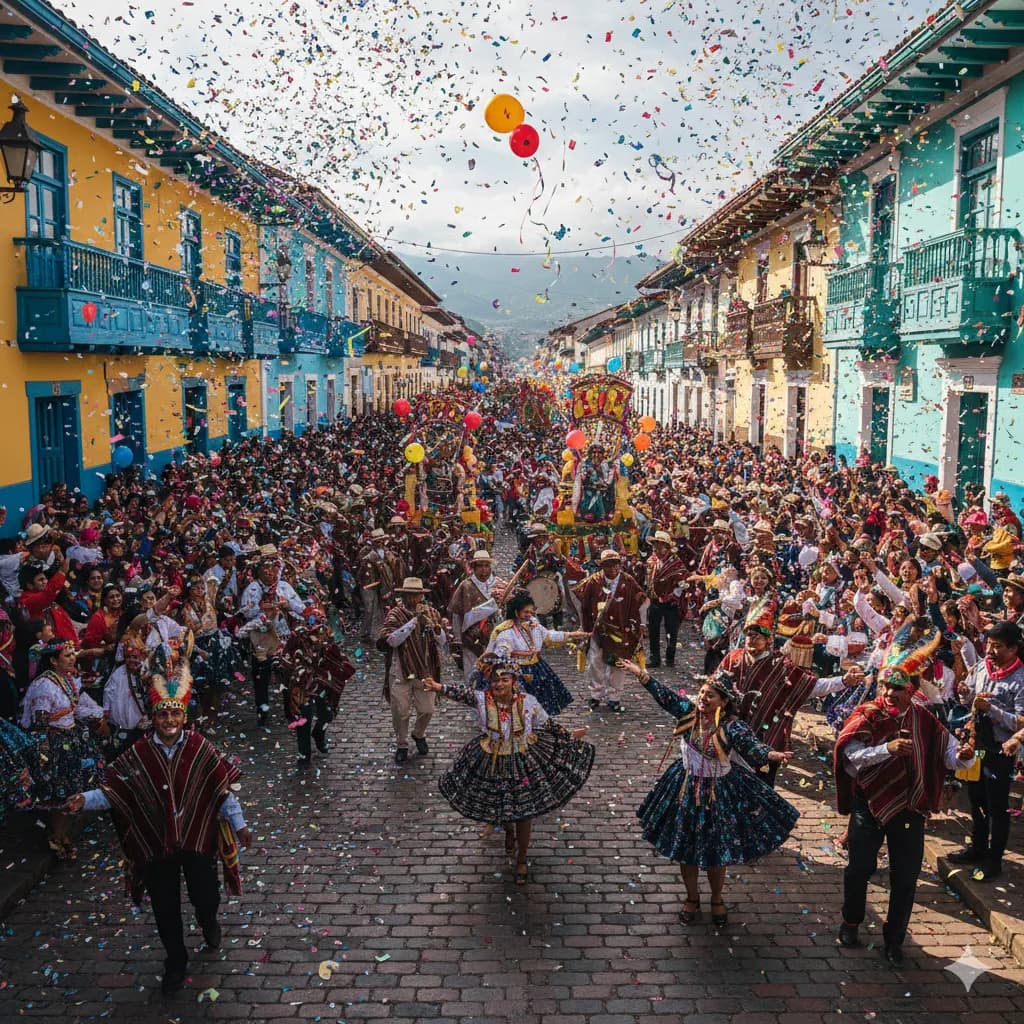
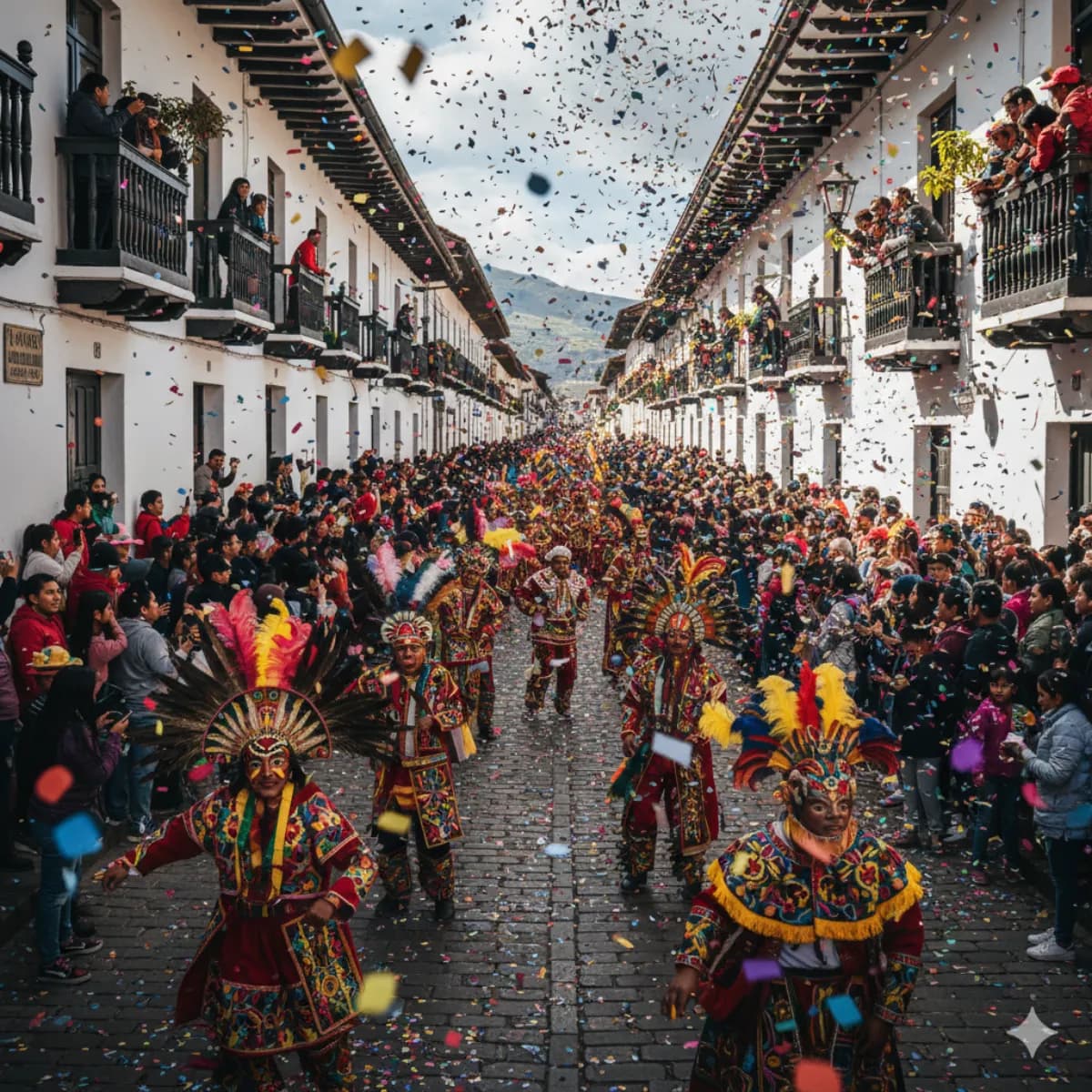
The timing is perfect. Carnival just wrapped up, and the city is still buzzing with that post-festival energy. Restaurants and cafes are lively, the streets are full of people, and there's a general sense of celebration in the air. The Bienal layers beautifully on top of that vibe.
This is arguably the best cultural stretch of the year in Cuenca — Carnival's energy flowing directly into one of Latin America's premier art events.
Also This Week: Cuenca Open 2026 Rubik's Cube Competition
If you want something completely different but equally entertaining, the Cuenca Open 2026 — a World Cube Association-sanctioned Rubik's Cube competition — is happening on Saturday, February 21 at Batan Shopping Center.
Yes, that's competitive speed-cubing, and yes, it's mesmerizing to watch. Competitors from across Ecuador solve standard 3x3 cubes, plus variants like 2x2, 4x4, Pyraminx, and one-handed solves. The top competitors finish a standard cube in under 10 seconds. It's free to watch and genuinely fun, especially if you have kids.
Batan Shopping is on Avenida del Estadio in the Yanuncay area — an easy bus or taxi ride from the centro.
How to Make the Most of the Bienal
Here's your practical game plan for experiencing "El Juego" like a pro.
Plan two or three half-day outings rather than one marathon. The Bienal venues are spread across the city, and trying to see everything in one day will leave you exhausted and unable to appreciate any of it. Pick a cluster of nearby venues for each outing.
Start at the Museo de Arte Moderno. The museum typically has a Bienal map or guide available, and staff can point you to the installations that are generating the most buzz. This orients your whole experience.
Go on weekday mornings for fewer crowds. The Bienal draws visitors from across Ecuador and internationally. Weekends can get busy at the major venues. Tuesday through Thursday mornings are ideal.
Most installations are free. This is one of the best things about the Bienal — the vast majority of exhibitions and installations cost nothing to enter. Some museum venues may charge a nominal fee of $1-$3, but many waive admission during the Bienal entirely.
Wear comfortable shoes. You'll be walking on cobblestones, standing in galleries, and covering more ground than you think. This is not a heels day.
Bring a light rain jacket. February in Cuenca means afternoon showers are likely. Don't let a little rain derail your art crawl.
Grab lunch in the centro between venues. Use the Bienal as an excuse to try restaurants you haven't hit yet. The historic center has dozens of excellent spots within walking distance of the major venues. Cafe del Museo inside the Museo de Arte Moderno is a lovely lunch spot.
Take photos, but also just look. Contemporary art rewards slow looking. Stand in front of something for five minutes instead of snapping a photo and moving on. You'll see things you missed.
Why This Matters for Expats
Look, I get it — contemporary art isn't everyone's thing. But the Bienal is about more than art. It's one of those moments when Cuenca shows you why it earned its UNESCO World Heritage designation. The city comes alive in a way that reminds you why you moved here in the first place.
It's also a fantastic opportunity to engage with Ecuadorian culture on a deeper level. Strike up a conversation with a local at an exhibition. Ask an artist about their work. Sit in a plaza and watch people react to an installation. These are the experiences that turn living abroad from just "being somewhere cheaper" into actually building a life in a new place.
The XVII Bienal de Cuenca is free, it's beautiful, and it's happening right now in your city. Go see it.
Sources: The Cuenca Dispatch, World Cube Association