New Law Forces Cuenca to Spend 70% on Infrastructure — Mayor Zamora Sees a "Secret Agenda"
 Chip Moreno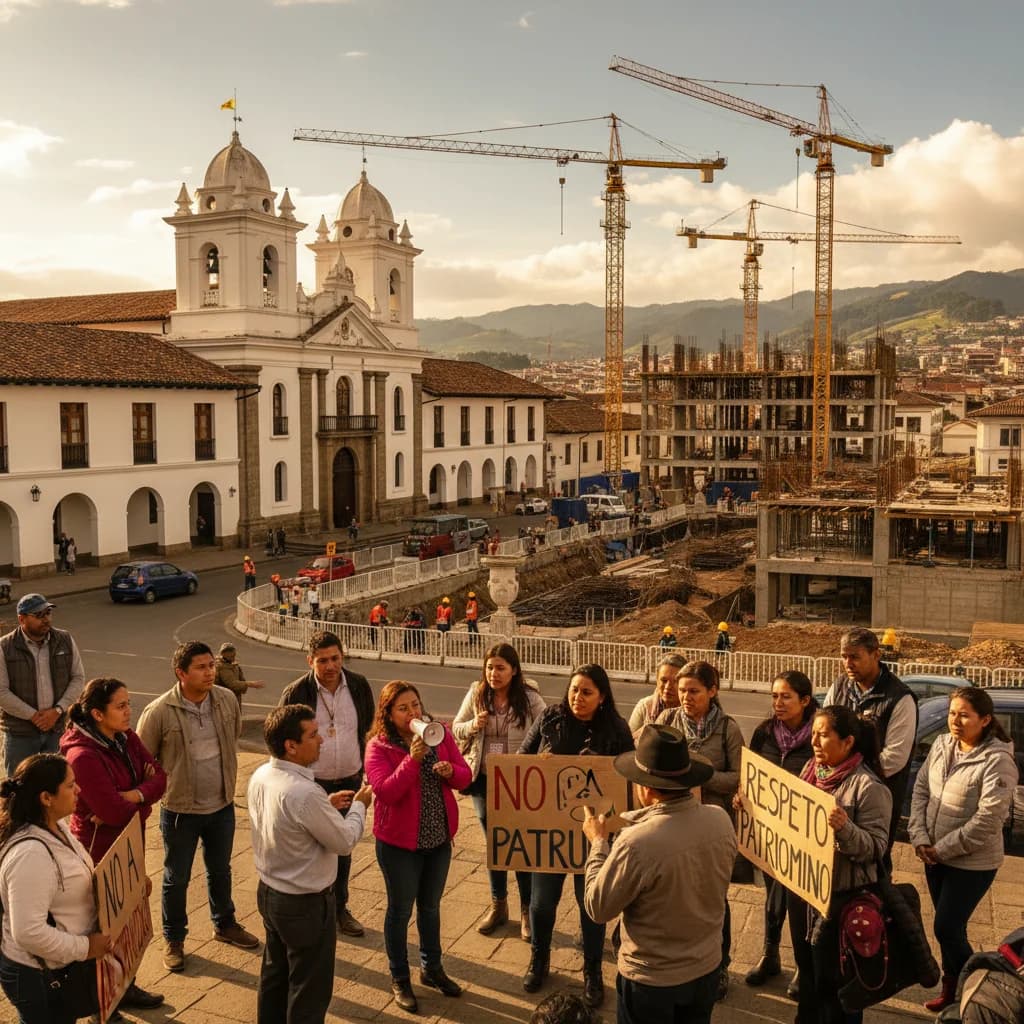
The Law That Has Every Mayor in Ecuador Furious
Ecuador's National Assembly just dropped a bombshell on local governments. A new law requires all municipal and provincial governments (GADs) to allocate 70% of their budgets to infrastructure and investment — leaving only 30% for everything else, including payroll, social programs, and daily operations.
If you live in Cuenca and use any municipal services — from elderly care programs to disability support to cultural events — this could directly affect you.
What the Government Says
President Daniel Noboa's allies argue the law ensures taxpayer money actually reaches public works that benefit everyone. ADN Assemblyman Sergio Peña didn't mince words:
"Currently, the GADs are spending large amounts of money on parties, festivals, and purchases that benefit only a few."
The idea, in theory, is to force cities to build more roads, bridges, and public infrastructure rather than padding administrative budgets.
What Cuenca's Mayor Says
Mayor Cristian Zamora has a very different read on the situation. He claims the law contains a "secret agenda" — specifically, that it's designed to forgive over $1 billion the national government owes to local entities.
In other words: instead of paying what they owe cities like Cuenca, the national government is changing the rules about how cities can spend money. Zamora sees this as a bait-and-switch.
Why Expats Should Pay Attention
Azuay Province Prefect Juan Cristóbal Lloret warned that the 30% cap on operational spending will trigger:
- Large-scale layoffs across municipal governments
- Cuts to programs for elderly residents — many expats in Cuenca are retirees who benefit from senior services
- Elimination of services for people with disabilities
- Reduced support for abuse victims and education programs
If you or someone you know uses any GAD-funded social services in Cuenca, these could be on the chopping block.
Is It Even Legal?
Local leaders say no. Multiple mayors and prefects are planning constitutional court challenges, arguing the law violates the local autonomy guaranteed by Ecuador's constitution.
Social Christian Assemblyman Alfredo Serrano predicted: "This is very obviously unconstitutional and will be rejected by the court."
But constitutional challenges take time, and in the meantime, cities have to figure out how to comply.
What Happens Next
Expect this to dominate Cuenca politics for the next several months. If the law survives court challenges, you'll likely see:
- More construction projects around the city
- Fewer cultural events and festivals funded by the municipality
- Potential service disruptions as departments restructure
- Political tension between Cuenca's city government and Quito
We'll keep tracking this one. It's the kind of national policy change that sounds abstract until your local library closes or your neighborhood park stops getting maintained.
Sources: CuencaHighLife, El Universo
More in News
View all →US Tariffs on Ecuador Just Jumped to 15% — Here's What It Means for the Economy and Your Wallet
February 23, 2026
IESS Has Hundreds of Extra Doctors — But 13,000 Patients Are Still Waiting for Surgery
February 23, 2026
Vehicle Plate Services Are Back Online in Cuenca After a Month-Long Freeze
February 23, 2026