Cuenca Flooding February 2026: Carnival Storms Hit 15 Neighborhoods, Lightning in Cajas


If you spent Carnival weekend indoors watching the rain hammer your windows, you made the right call. What was supposed to be a weekend of parades, mote pata, and water fights turned into a real weather emergency across Cuenca — and the aftermath is still being cleaned up.
What Happened
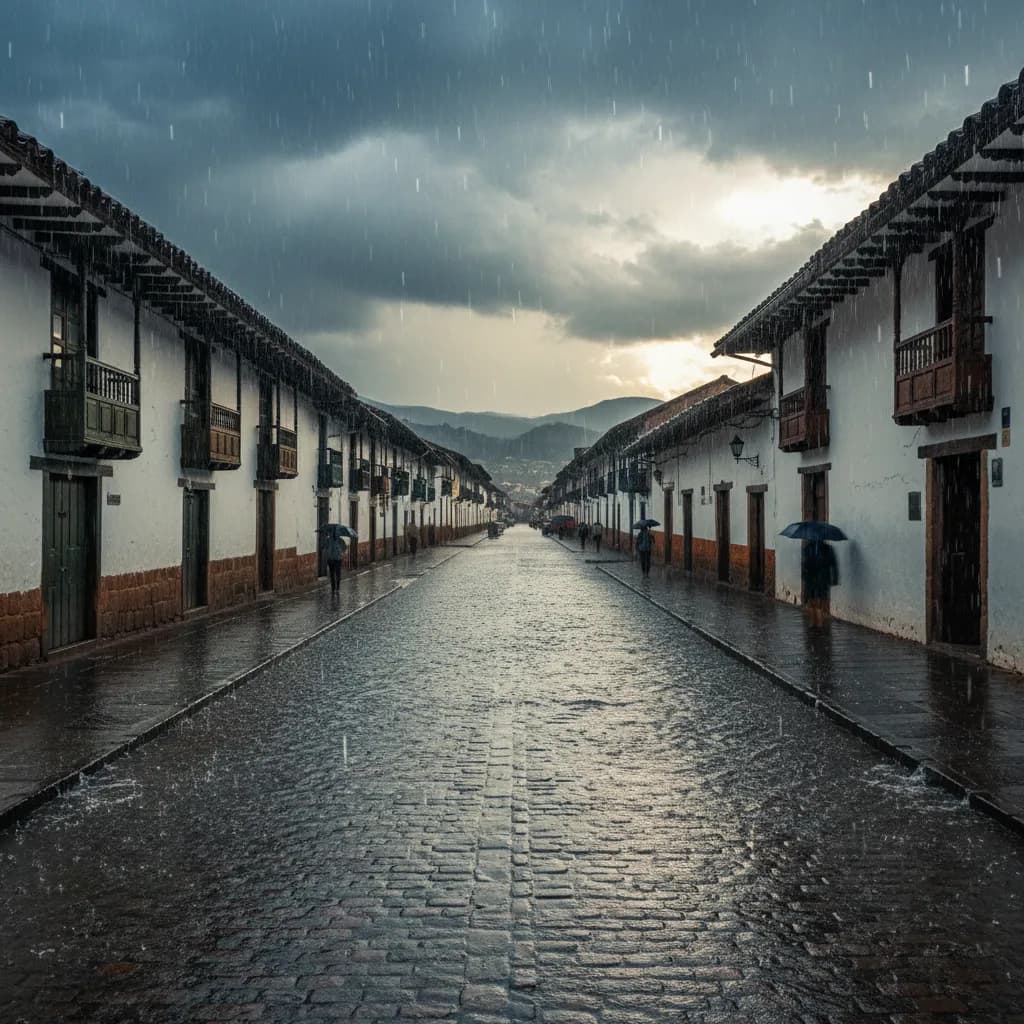
On Saturday, February 14, intense rainfall slammed western Cuenca starting around 2:00 PM and lasted approximately one hour. That single hour was enough to overwhelm drainage systems and trigger flooding and landslides across at least 15 sectors of the city, according to ECU 911.
The rains continued into Sunday, February 15, compounding the damage and extending emergencies into additional areas.
Where the Flooding Hit
The hardest-hit neighborhoods included:
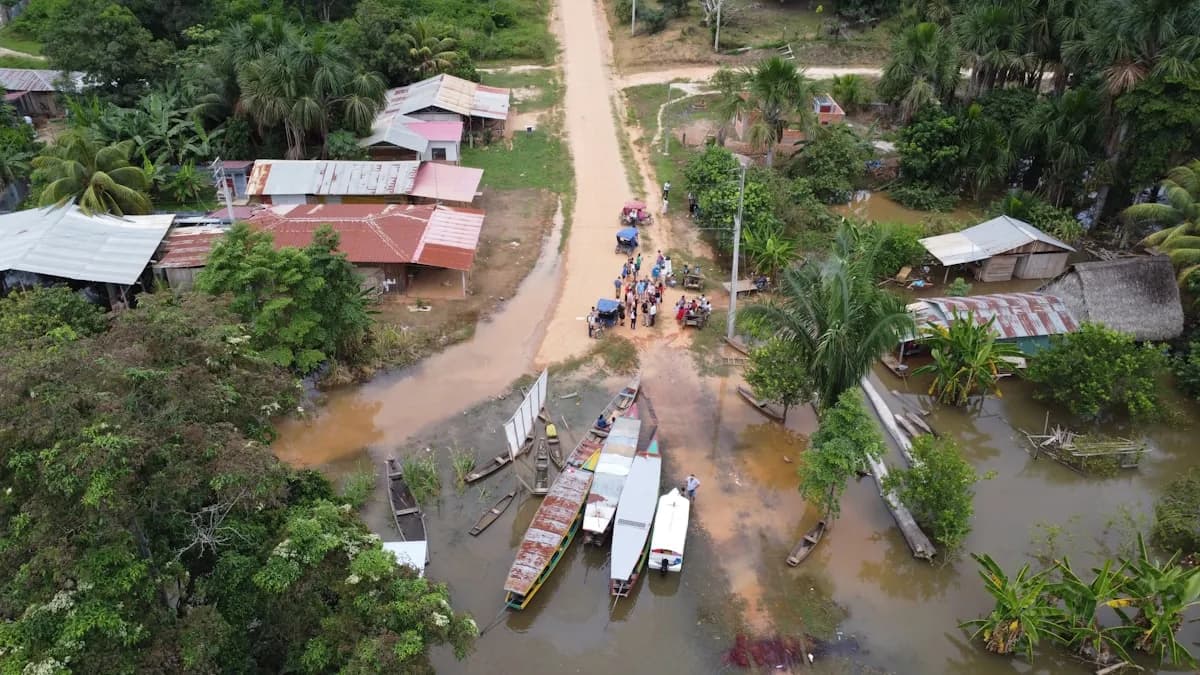
- Barabón Chico — The Cachaco creek overflowed, flooding at least 10 homes and damaging crops. Community leader Henry Bautista reported residents organized mutual aid efforts to help affected families.
- Misicata — Water damaged educational facilities, a church area, and a bridge. Creek swelling caused the most significant infrastructure impacts here.
- El Tejar — A creek collapse flooded homes and streets
- Caballo Campana — A landslide was reported
- Los Tilos, San Jacinto, Huishil Alto, Virgen de Lourdes — Flooding from overwhelmed drainage
- Tenis y Golf Club, El Alto, San José — Water accumulation and street flooding
- Balneario Rodas — Flooding near the recreation area
The Cuerpo de Bomberos de Cuenca, ETAPA EP, and the Dirección Municipal de Gestión de Riesgos all deployed crews to clear clogged drainage, pump water from homes, and assess landslide risks.
Lightning Strikes Hikers in Cajas
The most alarming incident happened outside the city. On Cerro San Luis in Cajas National Park, a lightning strike hit four hikers who were out on a trail when the storm rolled in.
Park rangers responded and administered first aid to all four. Details on the severity of injuries haven't been fully released, but all four were alive and received treatment on-site.
This is a serious reminder: Cajas weather can turn deadly in minutes. The park sits at 3,100-4,400 meters elevation, and afternoon storms during rainy season are not just likely — they're almost guaranteed. Lightning at that altitude, with no tree cover on the páramo, is genuinely dangerous.
Why This Keeps Happening
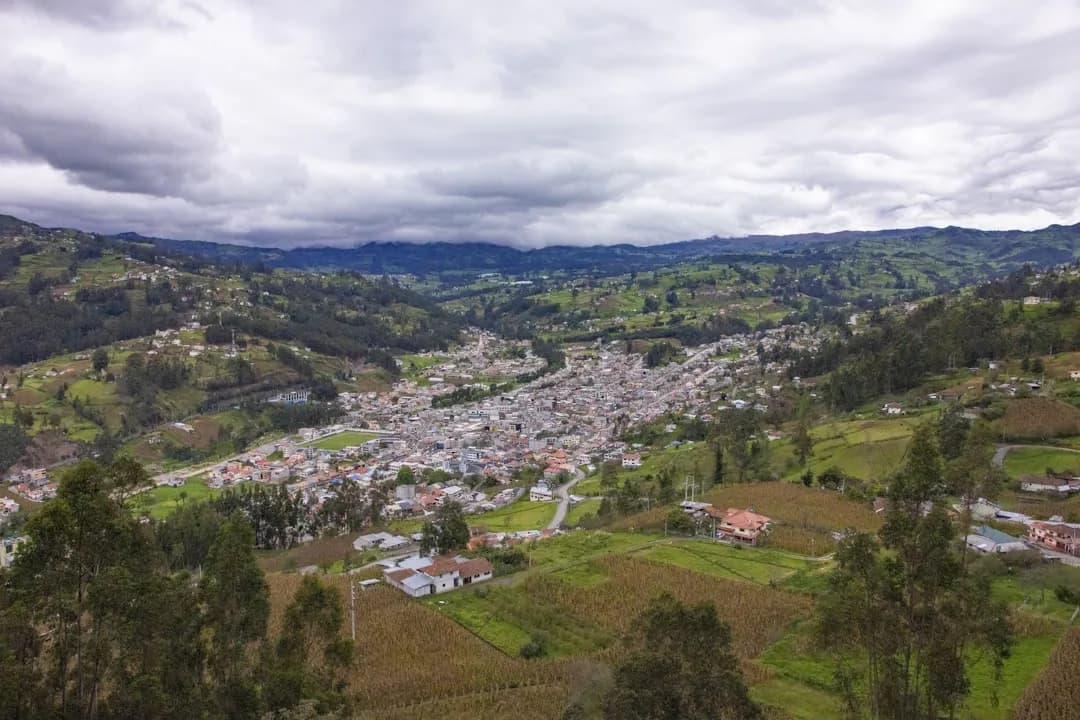
Cuenca's western neighborhoods — Baños, San Joaquín, Sayausí, Misicata — sit at the base of the mountains where rainfall is heaviest. The city's drainage infrastructure was built for a smaller population, and rapid urbanization in these areas has paved over natural drainage paths.
Creeks like the Cachaco in Barabón Chico are particularly vulnerable. They're small enough to seem harmless most of the year, but during intense rainfall they can overflow in minutes.
This isn't a new problem. Similar flooding hit the Ucubamba sector on February 2, when rainfall exceeded 20mm per hour and flooded at least 12 houses in Ucubamba, Paccha, and Ricaurte.
What to Do for the Rest of the Feriado
Authorities are warning that afternoon rains will continue through Tuesday, February 17 — the last day of the Carnival holiday. Here's what to keep in mind:
- Avoid hiking in Cajas after noon. Morning hikes are generally safer, but get off exposed ridgelines before afternoon storms develop. The Llaviucu lagoon trail (lower elevation, more sheltered) is a better bet than Toreadora or San Luis.
- Stay away from creeks and rivers during rain. Water levels can rise dramatically in minutes. The Tomebamba, Yanuncay, and their tributaries are all running high.
- If you live in western Cuenca (Misicata, Baños, San Joaquín, Sayausí), keep an eye on drainage near your property. Report clogged drains to ETAPA or call ECU 911 if water is entering your home.
- Don't drive through flooded streets. It sounds obvious, but every rainy season someone tries to cross a flooded intersection and gets stuck. If you can see water flowing across the road, turn around.
- Emergency number: 911. ECU 911 coordinates fire, police, and utility response.
The Bigger Picture
Cuenca is in the middle of rainy season (roughly October through May), and February is typically one of the wettest months. Climate patterns have made intense, short-duration rainfall events more frequent — the kind that dumps a huge amount of water in one hour rather than spreading it over a day.
ETAPA's $58.4 million 2026 infrastructure plan includes drainage and sewer upgrades, but those projects are still in procurement. For now, western Cuenca remains vulnerable to exactly this kind of flash flooding every time a heavy afternoon storm rolls through.
Stay dry out there. And seriously — skip Cajas until the weather settles.
Sources: El Mercurio, ECU 911
Keep Cuenca's daily expat briefing independent.
Reader support helps pay for reporting, translation, editing, hosting, and the daily work behind CuencaExpat.