Cuenca Uses Double the Water the WHO Recommends — And Nobody Seems Worried
 Chip Moreno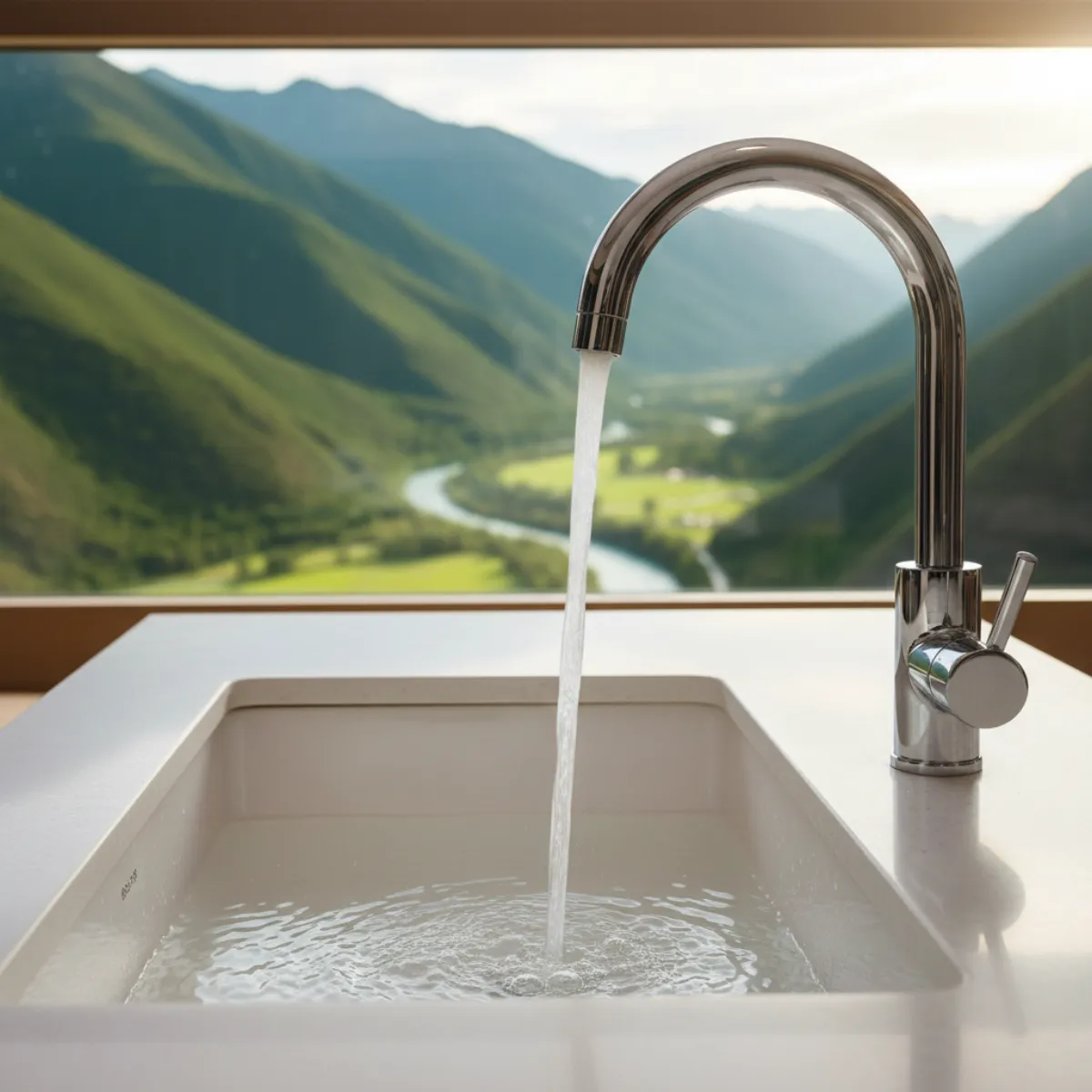
The Numbers Don't Lie
Here's a stat that should make you pause mid-shower: Cuenca residents consume roughly 200 liters of water per person per day. The World Health Organization says 100 liters is enough for drinking, cooking, hygiene, and all your daily needs.
We're using double. And most people don't think twice about it.
Why It's Happening
The short answer? Water in Cuenca is absurdly cheap. We're talking $0.60 per 1,000 liters — heavily subsidized by ETAPA, the city's public water utility. At that price, there's essentially zero financial incentive to conserve. You could fill a swimming pool every month and barely notice it on your bill.
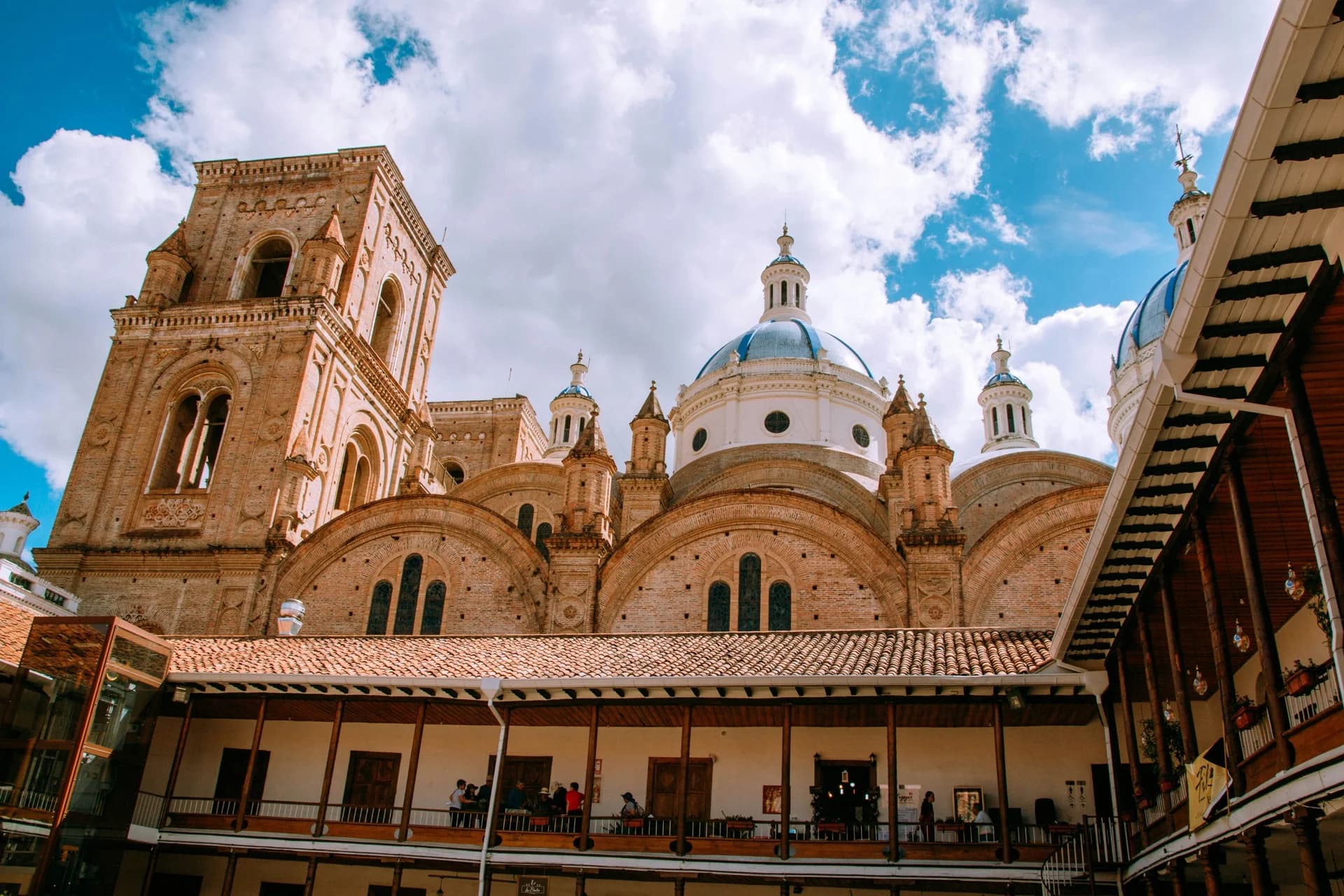
But price isn't the only factor. Environmental researcher Ana Cristina Andrade-Herrera points to something deeper: a "perception of abundance which reinforces irresponsible practices." Cuenca sits at the confluence of four rivers — the Tomebamba, Yanuncay, Tarqui, and Machángara — and the surrounding Cajas National Park feeds some of the cleanest water sources in Ecuador. When you can see the rivers flowing from your apartment window, it's easy to assume the supply is limitless.
It's not.
We've Already Proven We Can Do Better
Here's the encouraging part: during the 2023-2024 drought crisis, when Ecuador faced nationwide water shortages and power blackouts, Cuenca residents voluntarily cut consumption by about 30%. Daily usage dropped to 160-170 liters per person.
That's still above the WHO recommendation, but it proves the behavioral shift is possible when people understand the stakes. The problem is that once the crisis passed, old habits came right back.
What This Means for Expats
If you're coming from the United States, where the average person uses about 300 liters per day, Cuenca's 200 liters might actually feel restrained. But the conversation matters for a different reason: water sustainability directly affects your quality of life here.
Cuenca's water quality is among the best in Latin America — you can drink it straight from the tap in most neighborhoods. That's rare and valuable. But maintaining that quality requires the watershed in Cajas to remain healthy, the treatment infrastructure to keep pace with growth, and overall demand to stay manageable.
The city is growing. More construction, more residents, more demand. If consumption patterns don't change, the math eventually stops working — even for a city blessed with four rivers.
Where the Water Actually Goes
According to ETAPA data, showers are the biggest household water consumer, followed by toilet flushing and laundry. A few simple changes can make a real difference:
- Shorter showers — Even cutting 2-3 minutes saves 20-30 liters per shower
- Fix leaky faucets — A dripping faucet can waste 30+ liters per day
- Use the half-flush option — Most modern toilets in Cuenca have dual-flush buttons. Use the small one when you can
- Run full loads — Whether it's the washing machine or dishwasher, wait until it's full
- Water plants in the morning or evening — Less evaporation means less waste
The Bigger Picture
This isn't a crisis — yet. Cuenca has time and resources to address overconsumption before it becomes a real problem. ETAPA has invested heavily in water treatment infrastructure, and the Cajas watershed remains well-protected compared to water sources in other Ecuadorian cities.
But the window for easy fixes narrows every year. The city's population is growing, climate patterns are shifting, and the "abundance mentality" that researcher Andrade-Herrera describes isn't going away on its own.
For now, the water keeps flowing and the bills stay tiny. Just maybe take a slightly shorter shower tomorrow.
Sources: El Mercurio, CuencaHighLife, ETAPA
More in Community
View all →A Cuenca Vet Clinic Is Under Investigation for Faking Pet Cremations and Losing a Dog
February 18, 2026
It's Official: Cuenca Just Set a Guinness World Record for the World's Largest Mote Pata
February 15, 2026
350 Volunteers Just Got Certified to Protect Cuenca's Drinking Water — Here's Why That Matters
February 13, 2026