That Corvina You're Buying at the Market? There's a 47% Chance It's Actually Shark
 Chip Moreno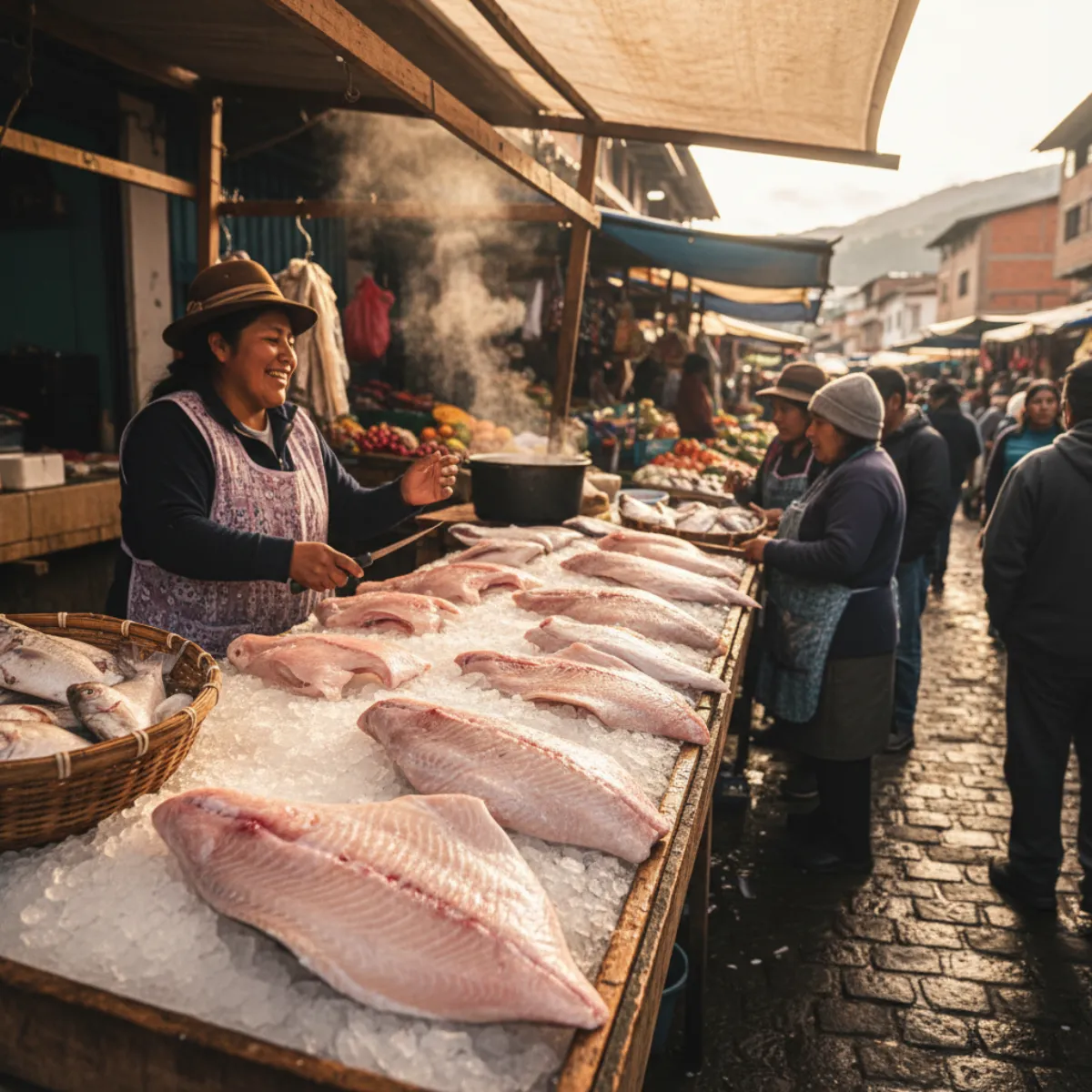
You Might Want to Rethink That Fish Order
If you've been buying corvina at Feria Libre, El Arenal, or any market in Cuenca, you might want to sit down for this one.
A new genetic study published February 17 in the peer-reviewed journal Frontiers in Marine Science found that 47.4% of fish labeled as "corvina" in Ecuador's highland markets is actually shark meat. Not a different type of white fish. Shark.
The study was conducted by researchers at Universidad San Francisco de Quito (USFQ), led by María Lourdes Torres from the Plant Biotechnology Laboratory. They bought fish samples labeled as corvina from markets across six cities and ran DNA analysis on every single one.
The Results Are Worse Than You'd Think
Here's the breakdown by city:
- Ambato — 78% fraud rate (the worst)
- Quito — fraud detected
- Cuenca — fraud detected
- Ibarra — fraud detected
- Manta — zero fraud
- Guayaquil — zero fraud
Notice the pattern? Every single Sierra city showed fraud. Neither coastal city did.
Torres explained why: "In coastal areas, people recognize fish better because they see the complete animals. In the Sierra, buying pre-filleted meat makes consumer deception much easier — selling shark as corvina."
It Gets Worse: Endangered Species Are Showing Up
The DNA tests identified four shark species being passed off as corvina:
- Pelagic thresher shark — found in 52% of fraudulent samples
- Silky shark
- Smooth hammerhead shark — critically endangered and illegal to sell in Ecuador
- Blue shark
That third one is a big deal. Hammerhead sharks are protected under CITES, and their capture and commercial sale is prohibited in Ecuador. The fact that they're showing up in Cuenca's markets, hundreds of kilometers from the coast, means the country's traceability system has serious holes.
Why Should You Care? Mercury.
Beyond paying four times the real price (corvina goes for $3.50–$4.00/lb while shark costs $0.80–$1.00/lb), there's a real health concern: mercury.
Sharks are apex predators that accumulate mercury and heavy metals through bioaccumulation. If you've been eating "corvina" regularly thinking it's a safe, low-mercury white fish, you may have been unknowingly consuming one of the highest-mercury species in the ocean.
This is especially concerning for pregnant women and children, who are most vulnerable to mercury exposure.
How to Protect Yourself
Here's what you can do next time you're at the market:
- Buy whole fish whenever possible. It's much harder to disguise a shark when you can see the whole animal. The fraud relies on pre-filleted, vacuum-sealed packaging.
- Learn the difference. Shark meat can have a slightly ammonia-like smell (from urea in shark tissue) and a denser, meatier texture. Corvina is flaky and mild.
- Ask questions. A vendor who can tell you where the fish came from and how it was caught is a better bet than one selling anonymous fillets.
- Consider buying fish at coastal markets if you travel to the coast — the study found zero fraud in Manta and Guayaquil.
Biologist Alex Hearn offered a systemic solution: "Don't control individual fishers — monitor merchants and demand clear labels so consumers know by smell or texture they are not being deceived."
The Bottom Line
Nearly half the "corvina" in Cuenca isn't corvina. You're paying premium prices for cheap shark, some of it from endangered species, and getting a dose of mercury you didn't sign up for. Until Ecuador fixes its traceability system, your best defense is buying whole fish and asking tough questions at the market.
Sources: El Universo, Frontiers in Marine Science (USFQ study)
More in News
View all →Thousands March Against Budget Reform That Could Gut Cuenca's Parks, Schools, and Social Programs
February 20, 2026
Cuenca's Mayor Just Filed a Legal Complaint Against Foreigners Who Accused Him of Leaking Information
February 20, 2026
Another Restaurant Hit by Thieves Near Puente Roto — Right on Cuenca's Most Popular River Walk
February 20, 2026