Loading...
Stories, tips, and insights from the expat community in Cuenca
Search results for “emergencies”Clear search
The national numbers are in from Carnival 2026 — Ecuador's tourism sector pulled in $81.9 million over four days. But Cuenca's story was more complicated, with the city ranking third nationally in emergency calls. Here's the full post-Carnival breakdown.
Cuenca remains one of the most affordable cities for expats in the Americas, but costs are rising faster than they used to. Here's an honest, line-by-line breakdown of what it actually costs to live here in 2026 — and how to stretch your dollars further.
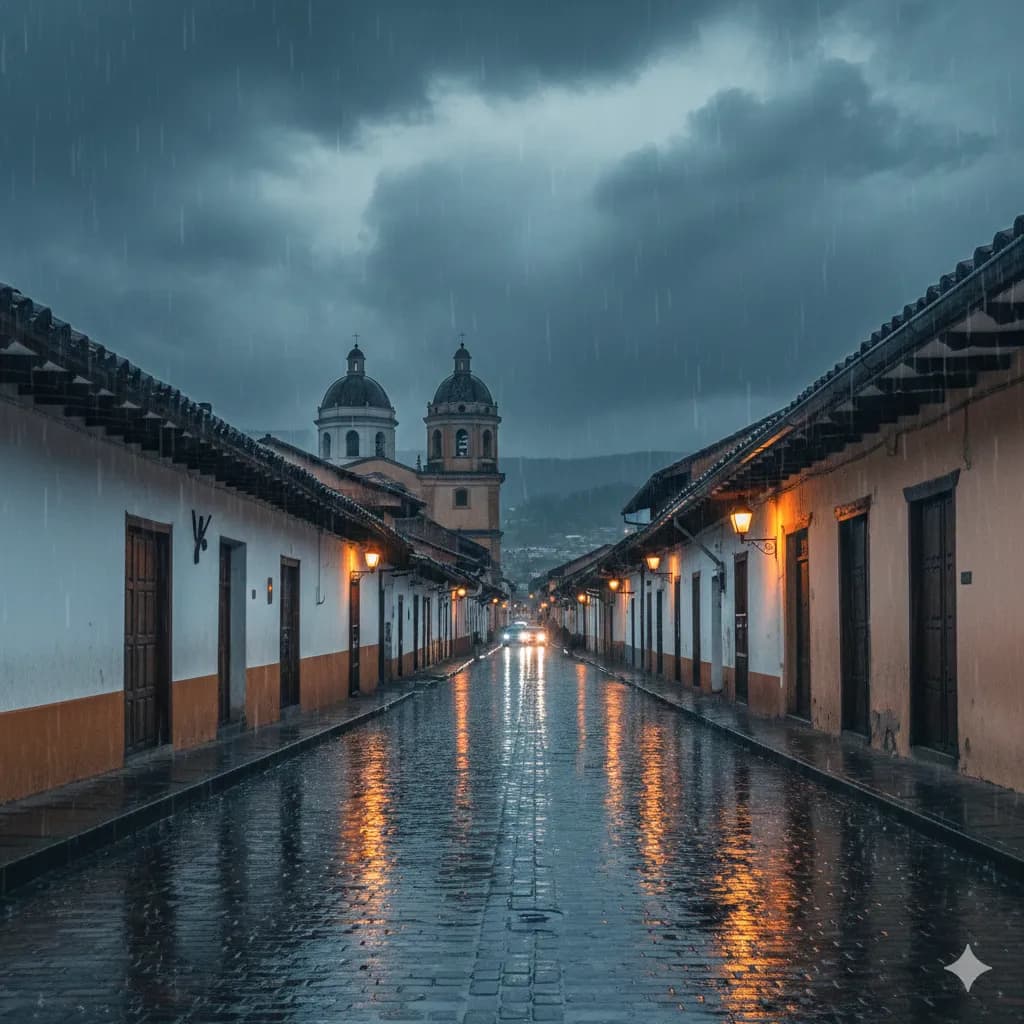
What started as a festive Carnival Saturday turned dangerous fast. Intense afternoon rains on February 14 and 15 flooded at least 15 neighborhoods, damaged homes in Barabón Chico, and sent emergency crews scrambling across western Cuenca. Meanwhile, in Cajas National Park, lightning struck four hikers on Cerro San Luis.
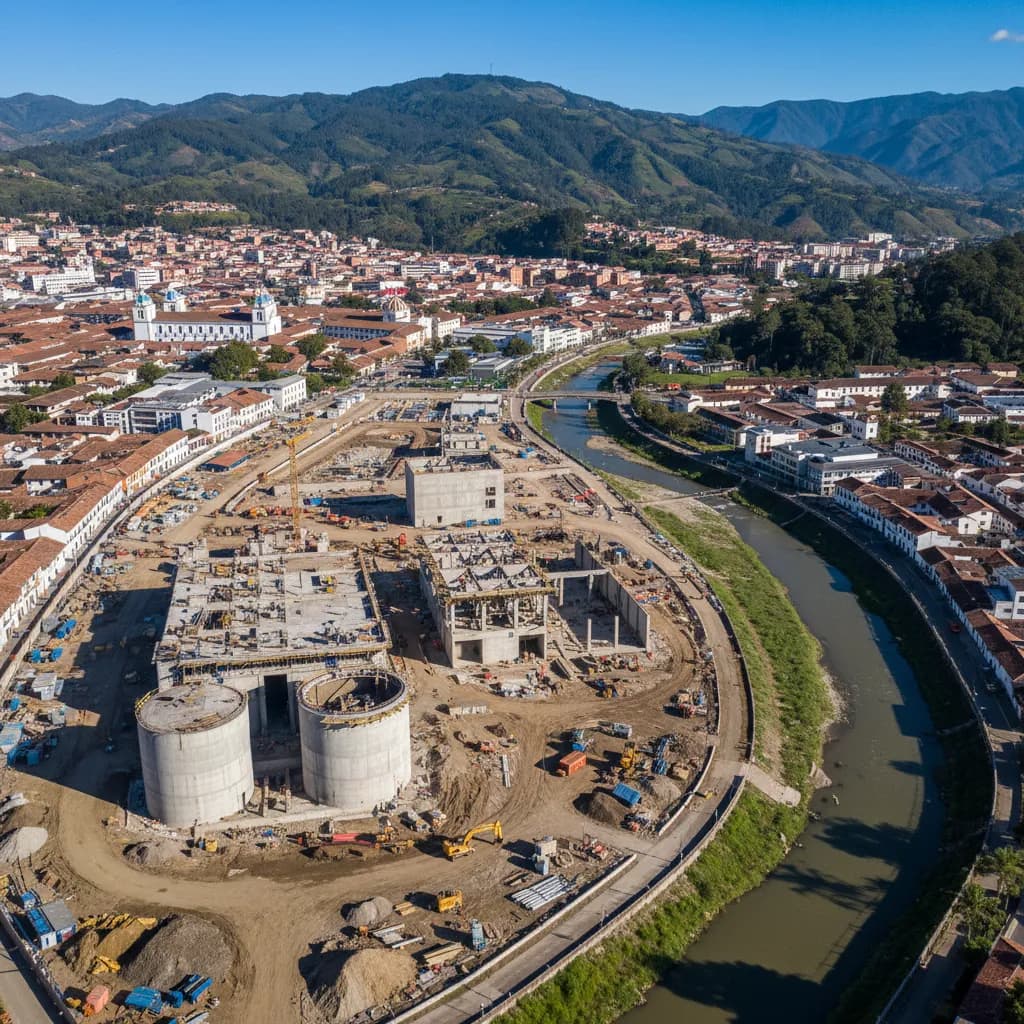
From Cuenca's first full wastewater treatment plant to potable water expansion in Santa Ana, ETAPA's 2026 plan includes 200 contracts worth $58.4 million. Here's what's actually in the pipeline and why it matters for the city's future.
The government just updated its rainy season alert map. Azuay is at orange (moderate risk), three provinces are at red, and if you're driving anywhere this holiday weekend, you need to pay attention.
Azuay province including Cuenca is under orange alert for heavy rains. 336 weather events already this year, 2 deaths, and multiple road closures. Here's what expats need to know.
Heavy weekend rains caused a stream to overflow in Ucubamba, flooding more than a dozen homes and forcing evacuations. INAMHI warns intense rainfall will continue through February 5.
Cuenca's first rural municipal hospital opens February 1 in El Valle parish. The $8.2 million facility brings 31 medical specialties, two operating rooms, and round-the-clock emergency services to the southern parishes.
Cuenca's largest public hospital is operating at 62% of needed medications and 61% of medical supplies. The Ministry of Health has delivered emergency shipments, but challenges persist.