Cuenca's Wild Rainy Season: Heavy Downpours, Snow in Cajas, and What It Means for You
 Chip Moreno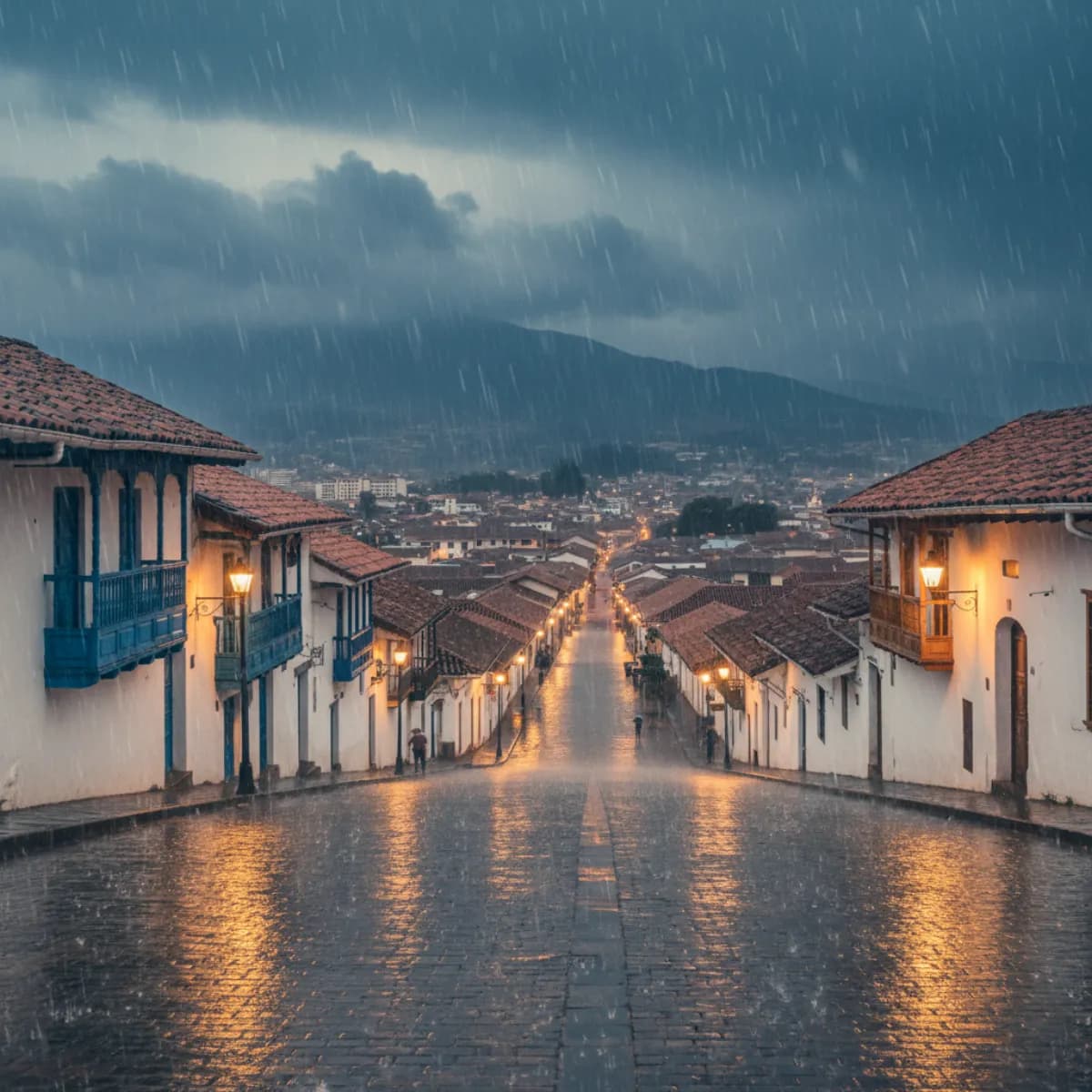
A Rainy Season Like No One Expected
If you've been living in Cuenca for more than a year or two, you probably remember the anxiety of 2024 — drought alerts, rolling blackouts, and a general sense that the weather had turned against Ecuador. Well, Mother Nature has apparently decided to overcorrect.
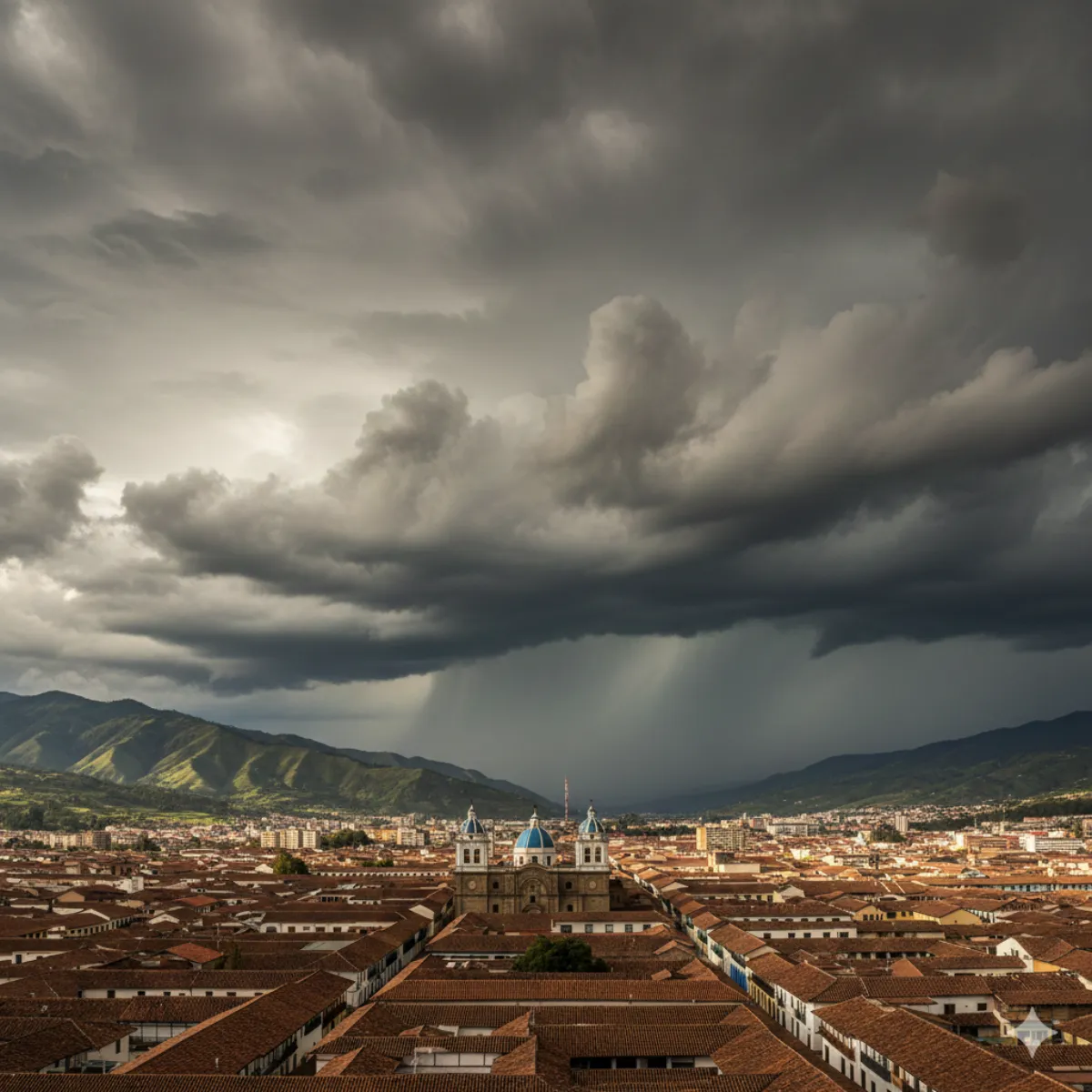
Cuenca entered 2026 under what meteorologists at INAMHI (Ecuador's national weather agency) are calling a "markedly different hydrological reality" compared to the previous drought years. Translation: it's raining. A lot. And it's not stopping.
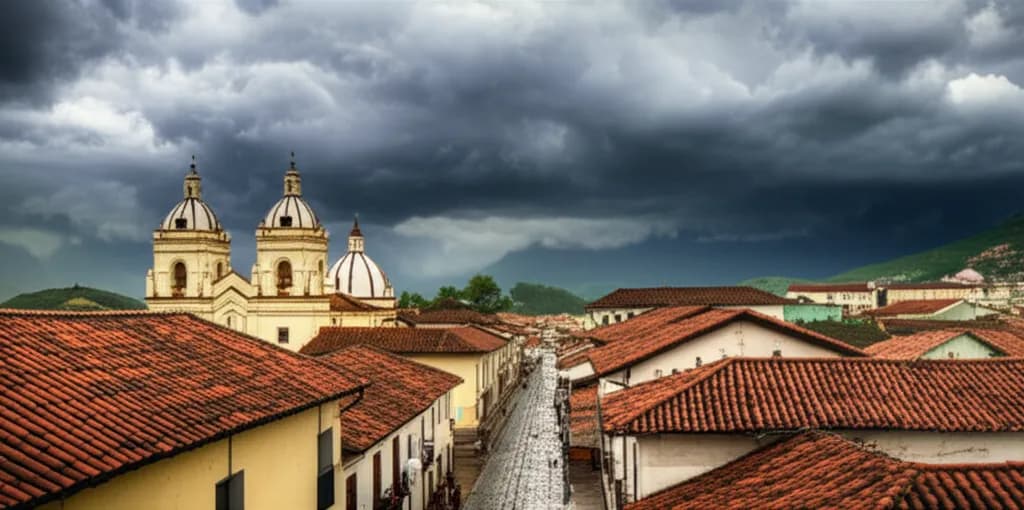
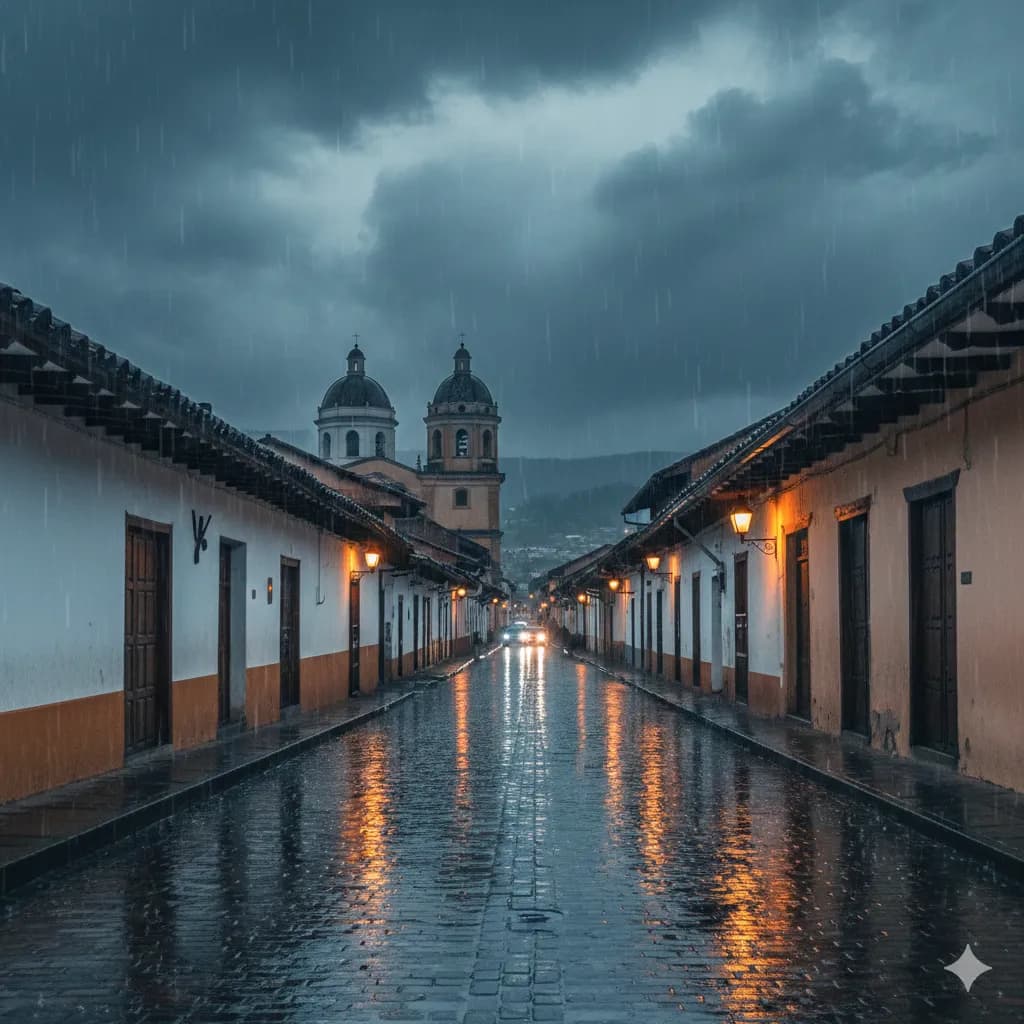
The sustained, unusually strong downpours that started in late 2025 have intensified through January and into February. Waterways across the Azuay province have been pushing toward flood alert levels, and the city has seen the kind of afternoon deluges that turn Calle Larga into a shallow river and make you rethink that walk to the mercado.
By the Numbers: February Is Peak Rain
Let's put this in perspective. February is historically Cuenca's wettest month, averaging around 204 millimeters of rainfall. On any given February day, there's roughly a 98% chance of rain. That's not a typo — ninety-eight percent. If you moved here expecting eternal spring, February is the month that humbles you.
But 2026 isn't just wet by normal standards. The intensity of individual storms has been remarkable. We're not talking about the gentle afternoon drizzle that Cuenca is famous for. These are heavy, sustained downpours — the kind that overwhelm drainage systems, flood underpasses, and send muddy water cascading down hillside streets.
Snow in the Cajas — Yes, Really
Perhaps the most striking image of this unusual season has been snow falling in Cajas National Park. For those who haven't visited, Cajas sits at elevations between 3,100 and 4,450 meters above sea level, about 30 minutes west of the city. It's always cold up there, but actual snowfall is genuinely rare.
Photos and videos circulating on social media showed the paramo landscape blanketed in white — a surreal sight for a place most people associate with the equator. INAMHI confirmed that the combination of unusually cold air masses and heavy precipitation created conditions for snow at higher elevations.
It's beautiful. It's also a reminder that driving through the Cajas right now is riskier than usual. More on that below.
The Silver Lining: Reservoirs Are Filling Up
Here's the good news buried in all this rain. Ecuador's hydroelectric reservoirs — the ones that were dangerously depleted during the 2023-2024 drought and caused months of blackouts — are rapidly refilling.
This is a big deal. Hydroelectric power generates roughly 75-80% of Ecuador's electricity, and when those reservoirs ran dry, the entire country suffered. The 2026 rainy season is doing what everyone hoped it would: replenishing the water supply that keeps the lights on.
There's an ironic twist, though. Some of the downpours have been so intense that they temporarily shut down hydroelectric plants. Excessive sediment and debris in swollen rivers can damage turbines and force operators to halt generation until conditions stabilize. It's a reminder that too much of a good thing is still too much.
What This Means for Expats on the Ground
So what does all this rain actually mean for your daily life in Cuenca? Let me break it down practically.
Getting around town: Expect afternoon flooding in the usual low-lying spots — the Yanuncay river crossings, parts of Avenida de las Americas, and several underpasses around the city. If you drive, give yourself extra time and never try to cross a flooded road. It's shallower than you think right up until it isn't.
The Tomebamba and other rivers: If you live near the Tomebamba, Yanuncay, Tarqui, or Machangara rivers, pay attention to water levels. The city has gotten better about flood warnings, but river levels can rise surprisingly fast during heavy afternoon storms. Keep valuables off ground-floor levels if you're in a riverside property.
Cajas travel: I'd strongly recommend avoiding driving through Cajas National Park during heavy rain or fog. The road between Cuenca and Guayaquil via Cajas is already one of Ecuador's most dangerous routes in good conditions. Add snow, ice, reduced visibility, and saturated soil prone to landslides, and it's genuinely hazardous. If you need to get to the coast, consider the Zhud route or simply wait for a clear morning.
Your Rainy Season Survival Kit
After a few rainy seasons here, I've learned that a little preparation goes a long way. Here's what I recommend every expat household have on hand:
- A proper umbrella and rain jacket. Not the flimsy travel umbrella — a real one. Cuenca rain laughs at cheap umbrellas.
- Waterproof bags or dry bags for electronics when you're out walking.
- Flashlights and candles. Power outages happen more frequently during storms, even brief ones.
- A basic emergency kit: bottled water, non-perishable snacks, first-aid supplies, phone chargers. This isn't paranoia — it's common sense in a city built in a mountain valley.
- Rubber boots (botas de caucho). You can buy them at any ferreteria for a few bucks. Your nice shoes will thank you.
- A mental adjustment. Plan outdoor activities for the morning. By 2 or 3 PM, the rain is likely coming. Build your schedule around it and you'll be much happier.
Looking Ahead
The heavy rains are expected to continue through March and taper off gradually into April and May. INAMHI is monitoring conditions closely, and so far there haven't been any major flooding disasters in the Cuenca metro area — though some rural communities in Azuay have reported landslides and road closures.
The bigger picture is actually encouraging. After two years of drought anxiety, Cuenca's water supply is in much better shape heading into 2026. The reservoirs are filling, the rivers are flowing, and the highlands are green and lush. It's messy and inconvenient, but this is what recovery looks like.
Just keep your umbrella close and your expectations flexible. It's Cuenca in February — and this year, February means business.
Sources: CuencaHighLife, INAMHI (Instituto Nacional de Meteorologia e Hidrologia)