Will Ecuador Dodge Blackouts in 2026? Here's Where the Power Crisis Actually Stands
 Chip Moreno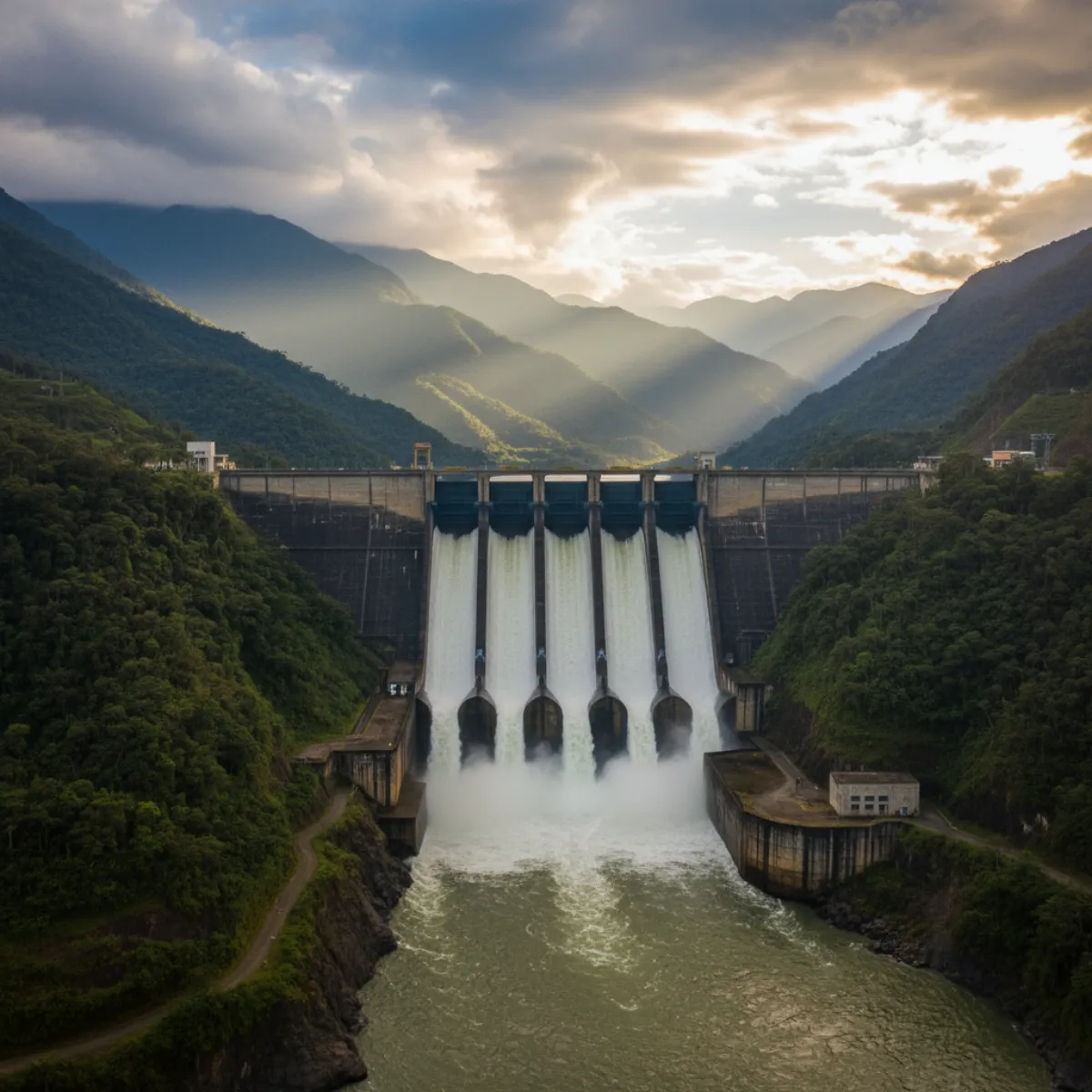
The Blackout Trauma Is Real
If you were in Ecuador during the second half of 2024, you don't need anyone to explain why this topic matters. For months, the country endured rolling blackouts lasting 8 to 14 hours per day in some areas. Businesses shuttered. Refrigerators full of food spoiled. People sat in the dark, scrolling their phones until the batteries died, wondering how a country with so many rivers could run out of electricity.
The answer was straightforward and devastating: Ecuador generates roughly 75-80% of its electricity from hydroelectric plants, and a historic drought drained the reservoirs that feed those plants. When the water ran out, so did the power.
So here we are in February 2026, and the question on everyone's mind is simple: are we going to go through that again?
The short answer is probably not — but the long answer is more complicated than the government wants you to think.
What's Changed Since 2024
President Daniel Noboa, who took office in late 2023 and inherited the crisis at full force, made a bold public vow: no more blackouts in 2025 or 2026. To his credit, the government has taken several concrete steps to back up that promise.
New Hydroelectric Capacity
A new 200 MW hydroelectric plant has come online, adding meaningful generation capacity to the national grid. While 200 megawatts won't single-handedly solve a crisis in a country that peaks at around 4,500 MW of demand, it's a real addition — not just a press release.
Turkish Floating Power Plants
This is the one that surprises most expats when they first hear about it. Ecuador has leased three floating power plants from Turkey — massive ship-based generators that sit in port and pump electricity into the grid. These aren't a long-term solution, and they run on fuel oil, which isn't cheap or clean. But as emergency backup capacity, they've been effective. They provide a cushion that simply didn't exist in 2024.
The Rain Is Helping — A Lot
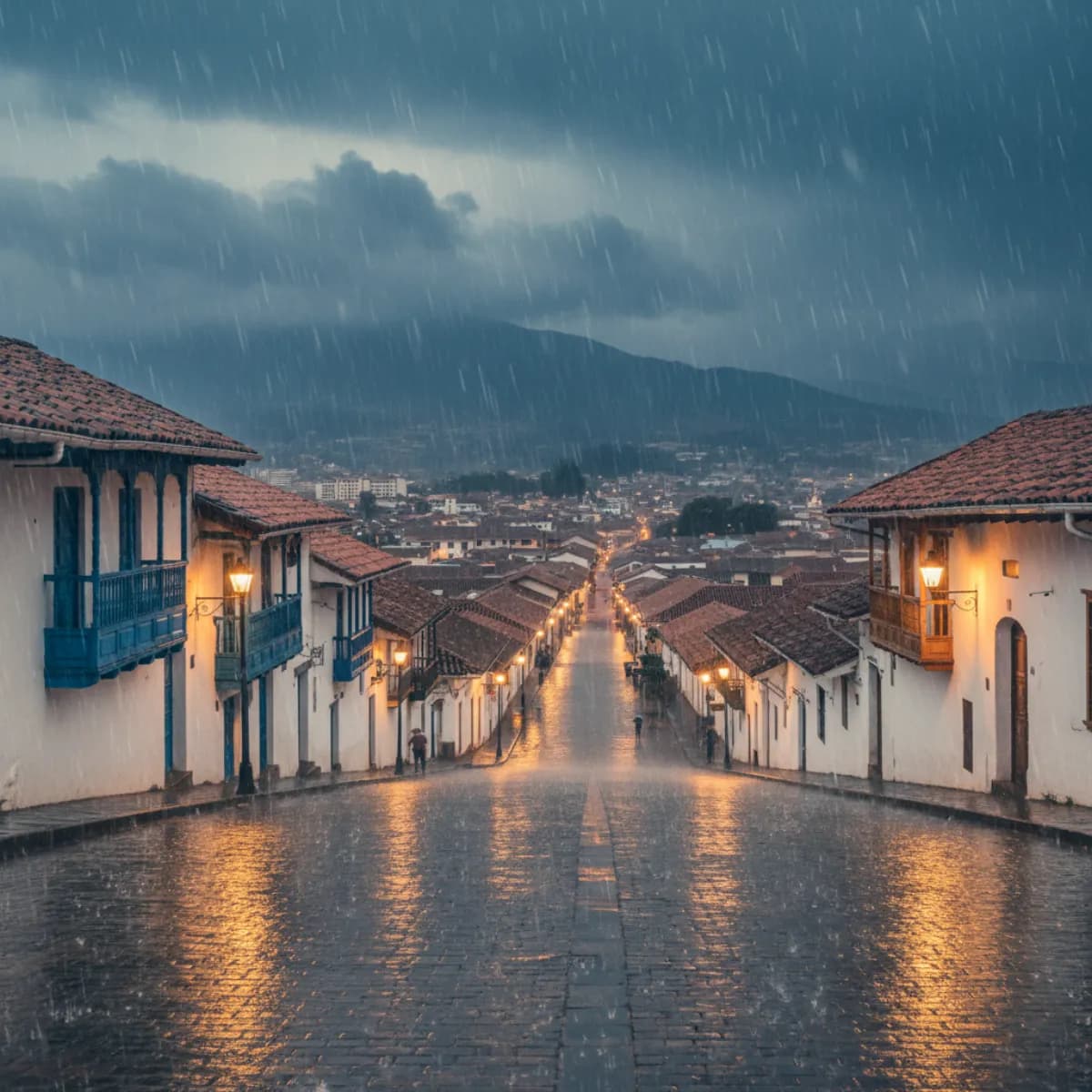
As we covered in our recent article about Cuenca's unusual rainy season, the 2026 rains have been heavy and sustained. This is exactly what the hydroelectric system needed. Reservoirs that were at critically low levels are refilling, and most major dams are reporting improved water storage compared to the same period in 2024 and 2025.
The Elephant in the Room: Coca Codo Sinclair
Now for the part the government talks about less enthusiastically.
Coca Codo Sinclair is Ecuador's largest hydroelectric plant, a massive Chinese-built facility in the Amazon region that accounts for nearly one-third of the country's total electricity generation. It's also got serious problems.
The Coca River, which feeds the plant, has been experiencing severe erosion — a geological process that has been accelerating for years. The erosion threatens the river's flow patterns and, by extension, the plant's ability to generate power reliably. There have been periods where Coca Codo Sinclair has had to reduce output or go offline entirely due to sediment and erosion-related issues.
This is not a problem that gets fixed with a press conference. It's a geological and engineering challenge that will take years and significant investment to address. And until it's resolved, Ecuador's single largest power source remains vulnerable in ways that no amount of rain can fully solve.
Diversification: The Long Game
To the government's credit, there's a growing recognition that putting 80% of your eggs in the hydroelectric basket is a bad strategy in an era of climate unpredictability. Ecuador has announced investments in several areas:
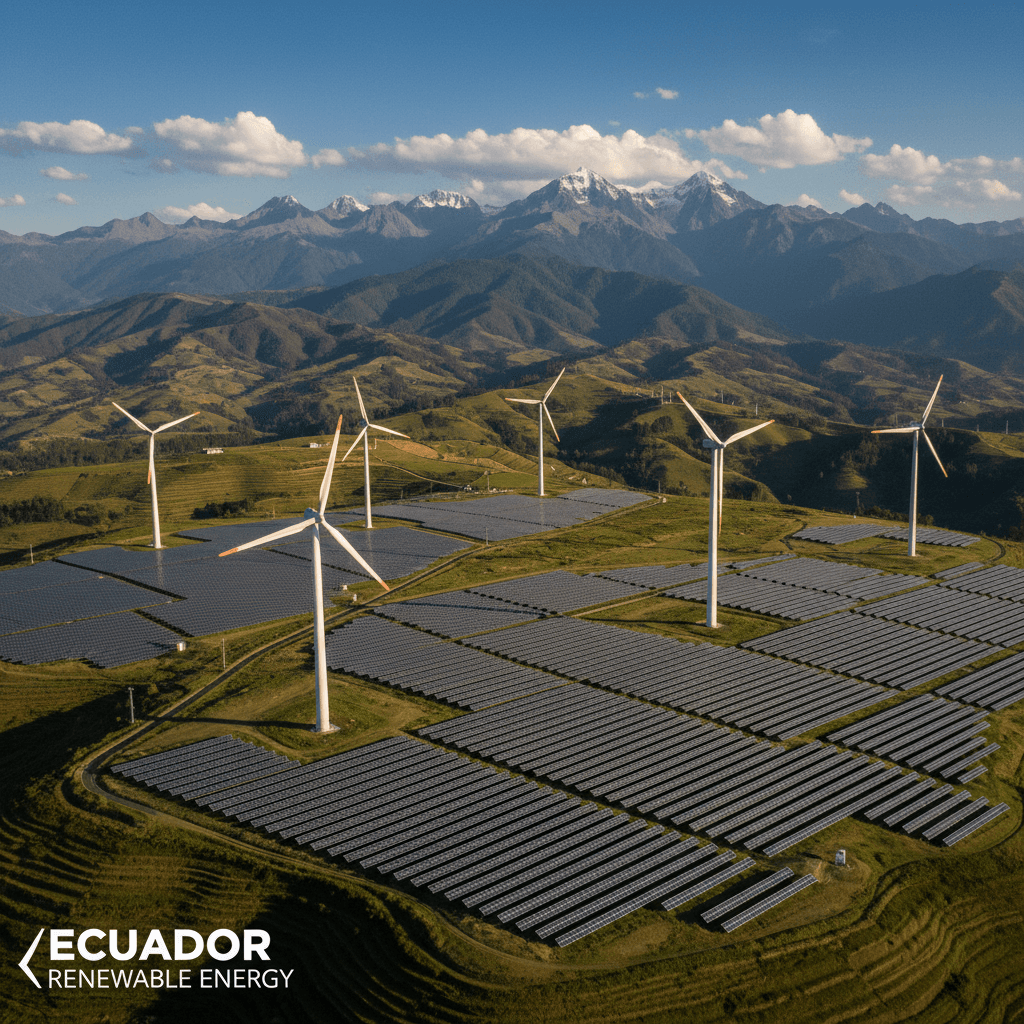
- Solar energy: Several solar farm projects are in various stages of development, particularly in the coastal and highland regions. Ecuador's equatorial location actually makes it well-suited for solar, though progress has been slower than hoped.
- Wind power: Wind energy projects are being explored, particularly in highland areas with consistent wind patterns.
- Natural gas: New natural gas generation capacity is being added as a bridge fuel — not as clean as renewables, but far more reliable than depending entirely on rainfall.
These are all the right moves. The problem is timing. Most of these projects won't deliver meaningful capacity until 2027 or 2028. In the meantime, Ecuador remains heavily dependent on hydro — which means heavily dependent on weather.
So What's the Realistic Outlook for 2026?
Here's my honest assessment, pulling together what we know:
The probability of a repeat of 2024's devastating, months-long blackout crisis is low. The combination of improved reservoir levels, new generation capacity, and the Turkish backup plants means the grid has significantly more margin than it did two years ago.
However, shorter outages and localized disruptions are still very possible. Ecuador's electrical grid has infrastructure challenges beyond just generation capacity. Distribution networks are aging, maintenance backlogs exist, and storms themselves can knock out power for hours at a time.
The wild card remains Coca Codo Sinclair. If that plant has a major disruption during a period of lower rainfall, the situation could deteriorate quickly. The government has contingency plans, but they'd be tested hard.
Practical Preparation for Expats
Hope for the best, prepare for the reasonable worst. Here's what I recommend:
For short outages (1-4 hours):
- A UPS (uninterruptible power supply) for your internet router and computer. You can find decent ones at Computron or order online. A basic 600VA unit runs around $60-80 and will keep your Wi-Fi running for a couple of hours.
- Rechargeable LED flashlights and lanterns. Keep them charged. The dollar-store flashlight in your junk drawer isn't going to cut it.
- Fully charged power banks for phones and tablets.
For longer outages (4+ hours):
- A camping stove or gas burner if your cooking setup is all-electric. Being able to boil water and heat food matters.
- Cooler bags and ice packs to protect refrigerated medications or perishables.
- Cash on hand. ATMs don't work without power, and many stores can't process cards during outages.
For those considering a generator:
- Small portable generators (2,000-3,500 watts) are available in Cuenca and can run essential appliances. Expect to pay $400-800.
- Never run a generator indoors or in an enclosed garage. Carbon monoxide kills, and it happens every time there's a major outage somewhere in the world.
- Fuel storage is a consideration — keep gasoline in proper containers and in a ventilated area.
For everyone:
- Keep your phone charged above 50% as a habit, not just during warnings.
- Know your landlord's or building's backup power situation. Some newer buildings have generators for common areas and elevators.
- Download offline entertainment. A few movies or a book on your tablet costs nothing and saves your sanity.
The Bottom Line
Ecuador has made real progress since the dark days — literally — of 2024. The investments in new capacity and backup generation are tangible, and the 2026 rains are cooperating. But the country's power infrastructure remains a work in progress, and the structural vulnerability of depending on a single mega-plant with geological problems hasn't gone away.
For expats, the practical takeaway is this: you probably won't be sitting in the dark for 12 hours a day this year. But having a plan for occasional outages isn't pessimism — it's just living smartly in a country that's still building resilience into its grid.
Keep those flashlights charged.
Sources: The Rio Times, Dialogue Earth, YapaTree