UPDATE: US Tariff on Ecuador Is Actually 10%, Not 15% — Here's What the Supreme Court Changed
 Chip Moreno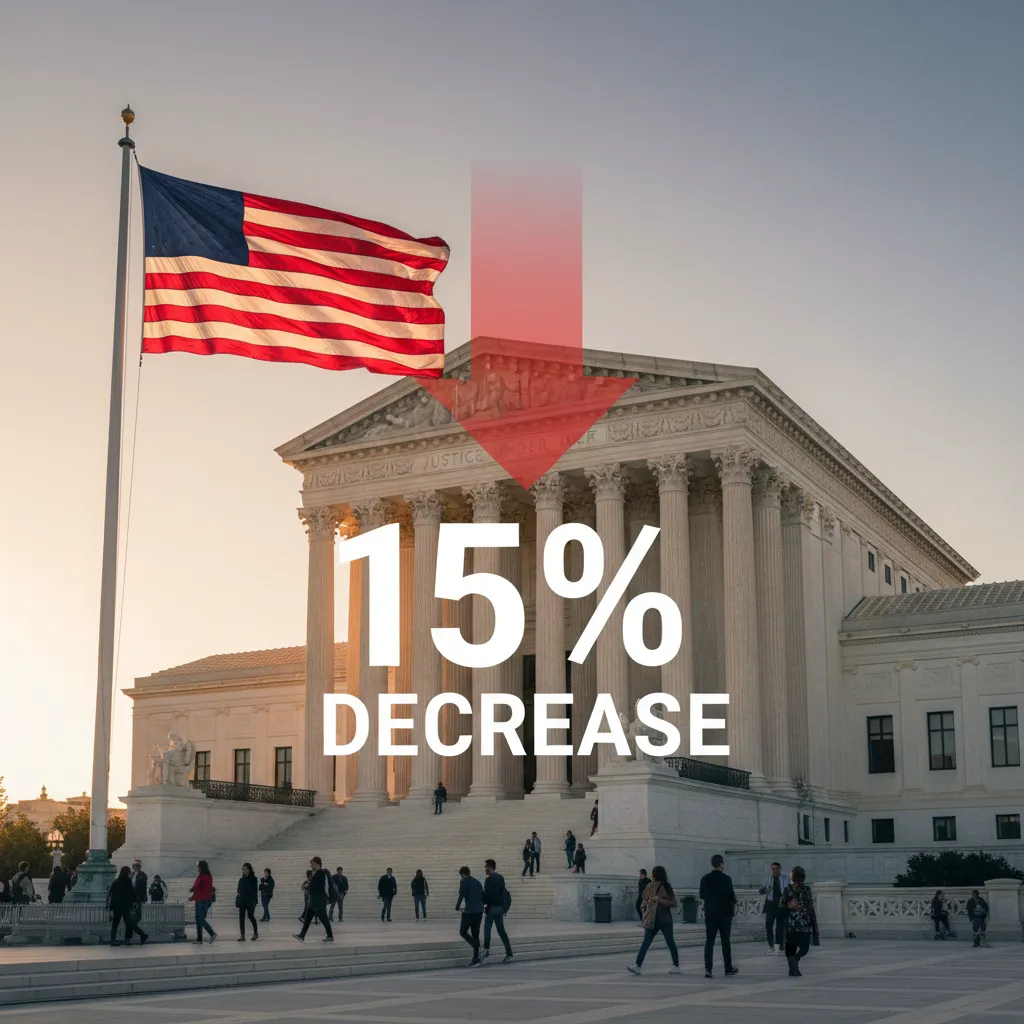
The Tariff That Changed Overnight
If you read our earlier coverage about the US slapping a 15% tariff on Ecuador, there's been a significant update: the US Supreme Court ruled that tariff illegal.
On February 20, the court struck down Trump's 15% global surcharge, ruling it exceeded executive authority. Trump's response? A new tariff — but this time at 10%, which officially took effect today, February 24, 2026.
It's still a tariff. It still hurts. But it's a third less painful than what was announced.
What Changed
| Original | Updated | |
|---|---|---|
| Rate | 15% | 10% |
| Legal basis | Executive order | New proclamation (post-court ruling) |
| Duration | Indefinite | 150 days (then requires Congressional approval) |
| Exemptions | Unclear | 33-39% of non-petroleum exports exempt |
The 150-day clock is important. After that window expires, Congress has to vote to continue the tariff. That's a very different situation than an indefinite executive decree.
Which Ecuador Products Are Exempt?
The White House published an updated Annex II listing 215 product subcategories that face a 0% surcharge. Production Minister Luis Alberto Jaramillo confirmed that roughly a third of Ecuador's non-petroleum, non-mining exports qualify for this exemption.
While the specific product list is still being analyzed, the exemptions provide meaningful relief for certain export sectors.
The Numbers in Context
Ecuador's trade relationship with the US is massive:
- Total 2025 exports to US: $6.83 billion
- Non-petroleum exports: $6.57 billion (up 30% from the prior year)
- Exempt products: Roughly $2.2-2.5 billion worth face no surcharge
- Products hit by 10%: The remaining $4-4.4 billion
That's still hundreds of millions in additional costs for Ecuador's exporters — but it's significantly better than the 15% scenario.
What This Means for You in Cuenca
The good news:
- The tariff is lower than feared (10% vs 15%)
- A third of exports are exempt entirely
- The 150-day limit means this might not be permanent
- Ecuador's record-high international reserves ($11.86 billion) provide a strong buffer
The concern:
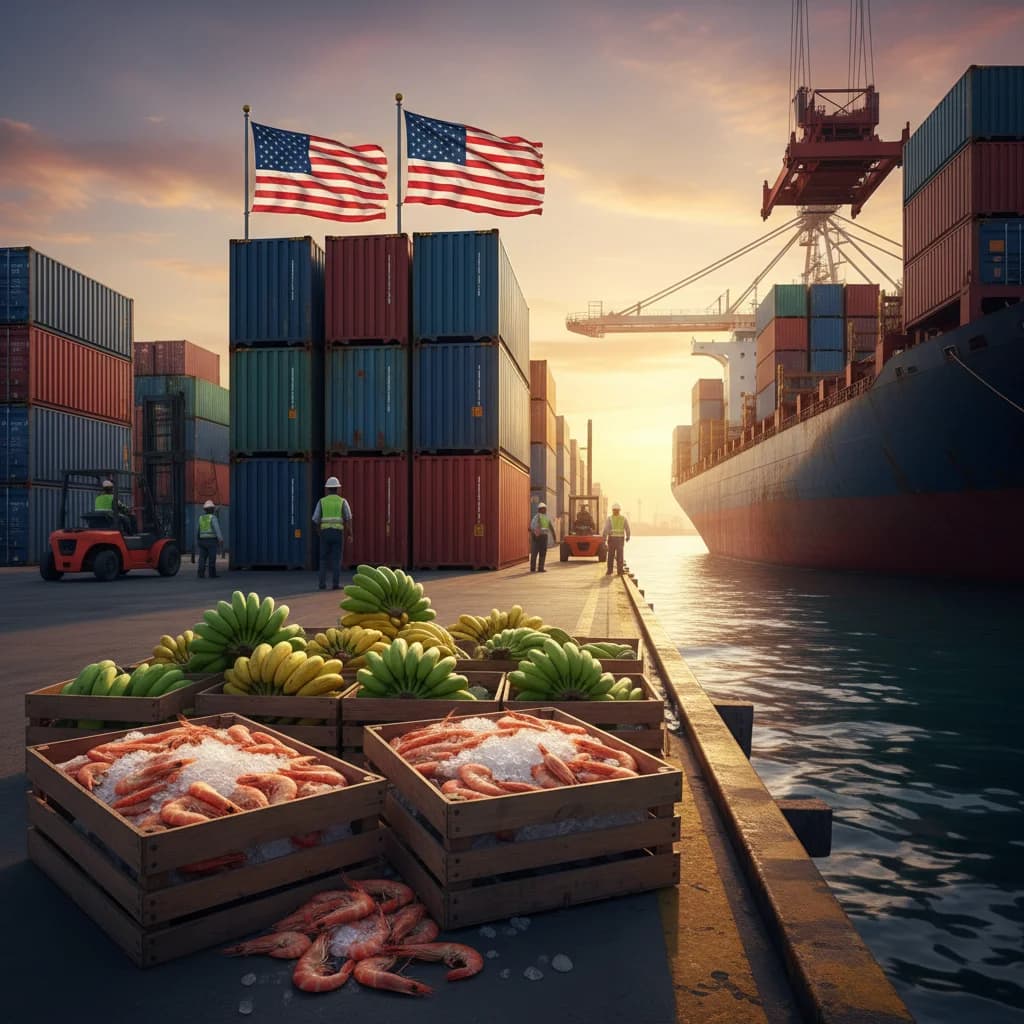
- Shrimp, bananas, tuna, and flowers are still getting hit
- Export sector job losses could still ripple through the economy
- The tariff uncertainty makes long-term business planning difficult
- If Congress renews after 150 days, this becomes the new normal
Minister Jaramillo's Response
Jaramillo announced the updated tariff on his X account, confirming the 10% rate and noting that not all Ecuadorian products are affected. Ecuador continues to engage with the US Trade Representative for clarification on the full exemption list.
What to Watch
- The 150-day countdown — if Congress doesn't act, the tariff expires
- Annex II updates — more products could be added to the exempt list
- Shrimp industry impact — Ecuador's top non-oil export to the US
- Grocery prices — watch for changes at Coral and Supermaxi as supply chains adjust
We'll keep updating this story as the details evolve. For now, the headline is: it's 10%, not 15%, and it has an expiration date.
Sources: El Universo, El Mercurio, Primicias
More in News
View all →New York–Guayaquil Flights Cancelled for a Third Straight Day — What to Do If You're Stuck
February 24, 2026
281 Cuenca Families Still Can't Get Their Savings Back From a Collapsed Cooperative — 7 Months Later
February 24, 2026
Ecuador's Dollar Reserves Just Hit an All-Time High of $11.86 Billion — Why That Matters for Your Money
February 24, 2026