Mazar Reservoir Hits Maximum Capacity — Ecuador's Blackout Risk Just Dropped Dramatically
 Chip Moreno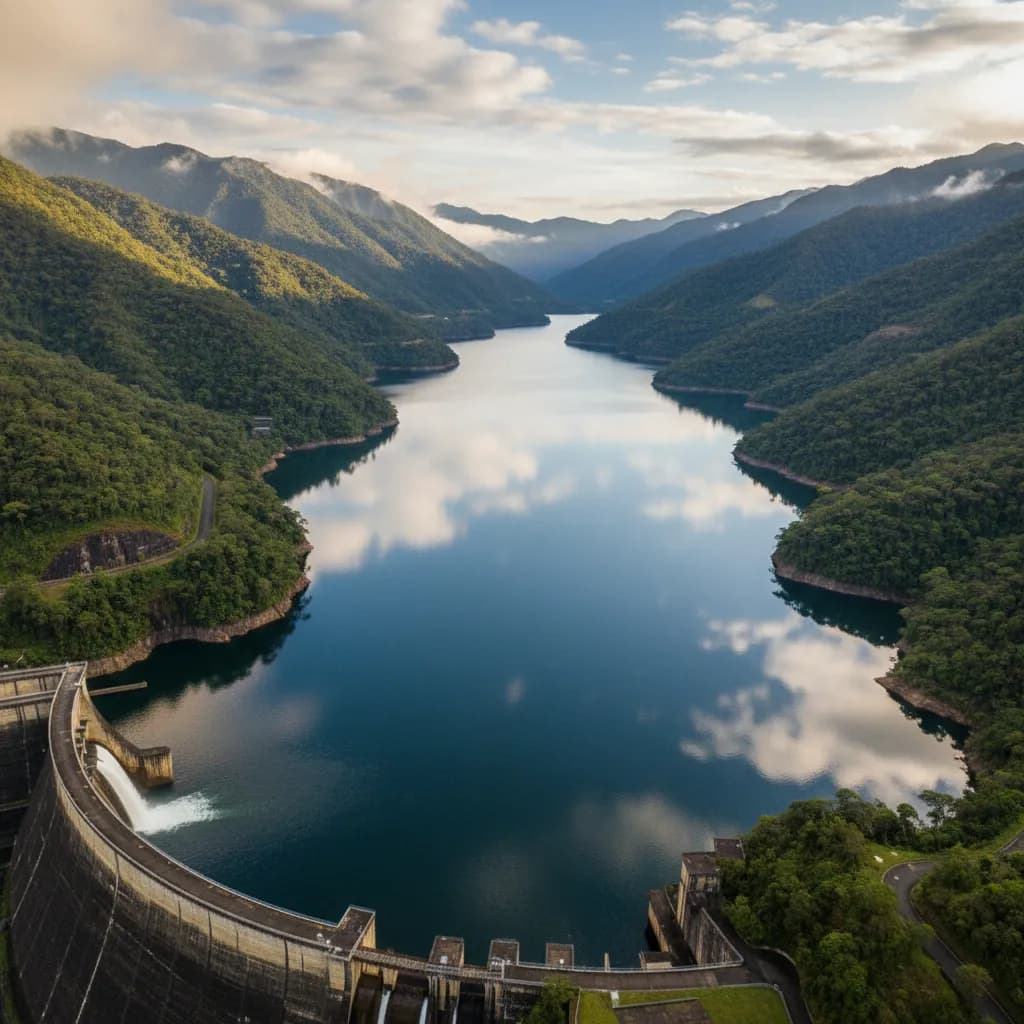
The Reservoir That Keeps the Lights On
Remember those blackouts? The ones where you'd lose power for 8, 10, even 14 hours a day? When restaurants ran on generators and your freezer became an expensive cooler?
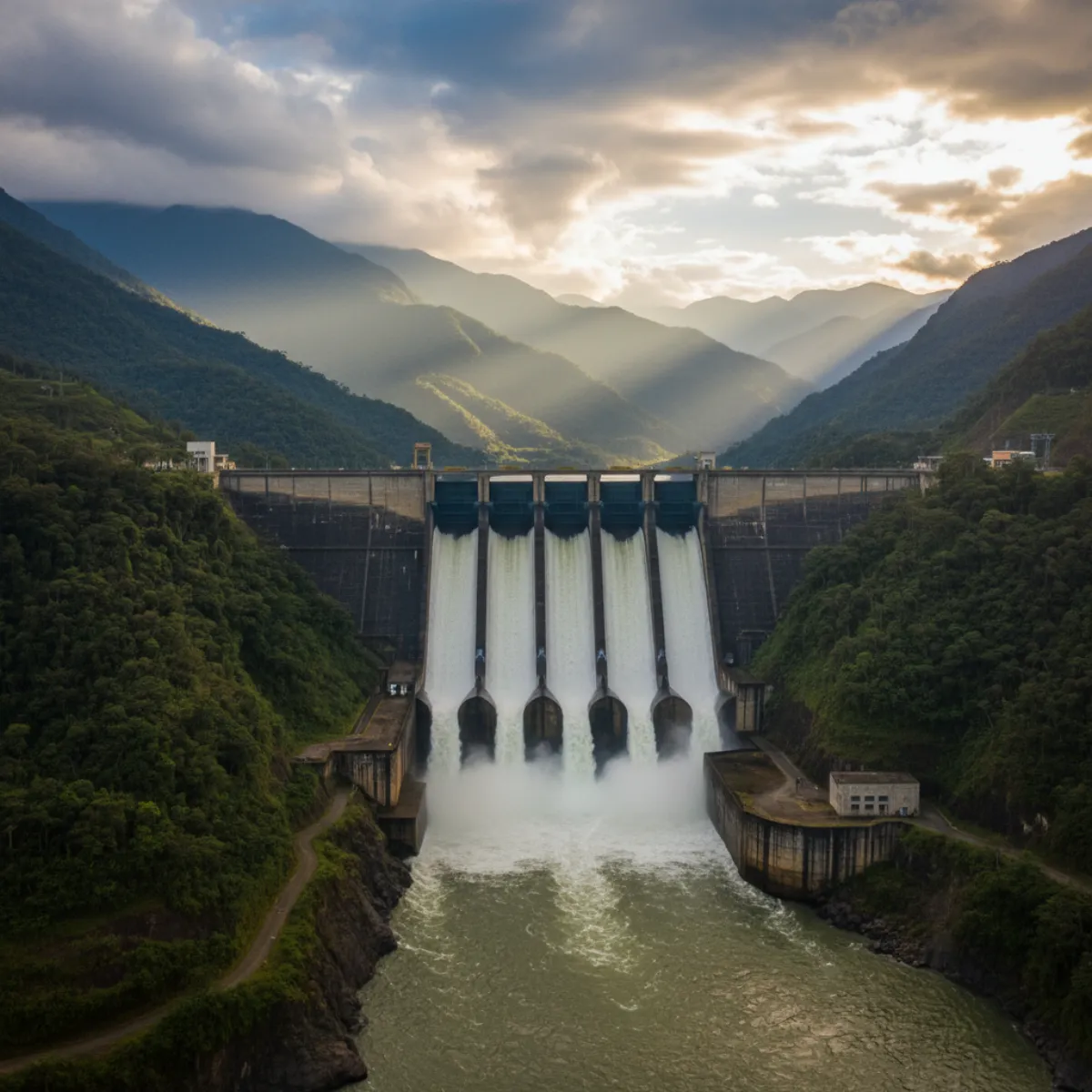
That nightmare is looking increasingly unlikely to repeat. The Mazar reservoir — the critical water storage facility powering Ecuador's largest hydroelectric complex — reached its maximum capacity on February 22, 2026, hitting 2,253 meters above sea level.
This is very good news.
Why Mazar Matters So Much
The Mazar reservoir feeds the Paute Hydroelectric Complex, which consists of three power plants:
| Plant | Capacity | Commissioned |
|---|---|---|
| Mazar | 170 MW | 2010-2011 |
| Paute Molino | 1,075 MW | 1983 |
| Sopladora | 487 MW | 2016 |
| Total | 1,757 MW | — |
That combined output represents roughly 38% of Ecuador's entire electricity supply. When Mazar runs low, the whole country feels it.
How Bad Was the 2024 Crisis
To understand why this matters, remember what happened:
- Severe drought dropped Mazar to critically low levels in late 2024
- The entire Paute Complex ceased operations in September 2024
- Planned blackouts escalated from 2 hours daily to 14 hours daily by October
- Ecuador faced an estimated 500 GWh electricity deficit in a single month
- Businesses closed, food spoiled, hospitals struggled with backup power
It was the worst energy crisis in Ecuador's modern history.
The Turnaround
The numbers tell the story of recovery:
- December 2025: Water flow at just 28.18 m³/second (still recovering)
- January 2026: Flow increased to 56 m³/s
- February 2026: Flow surged to 95.58 m³/s — more than triple December
- February 22: Reservoir reached maximum operational capacity
Recent heavy rains in the southern highlands filled the reservoir faster than the typical seasonal pattern. Normally, this region experiences dry conditions from October through March, making the early fill especially welcome.
What This Means for Cuenca
The Paute Complex sits right here in Azuay province. When it's running at full capacity:
- No rolling blackouts. The 38% of national power this complex provides is fully online.
- Less dependence on Colombia. Ecuador stopped importing Colombian electricity in January 2026 amid the trade dispute — but with Mazar full, that matters less.
- Power supply through at least April. Energy experts say current water levels can sustain generation comfortably through April, and potentially through September if March-April rains continue normally.
- Your electric bill stays stable. During the crisis, the government subsidized emergency power generation. Stable hydro means stable costs.
One More Piece of Good News
The Marcel Laniado de Wind hydroelectric plant also just resumed operations after scheduled maintenance, adding another 213 MW to the national grid. That's even more buffer.
Don't Get Too Comfortable
The 2024 crisis taught Ecuador a hard lesson about over-reliance on hydroelectric power. Climate patterns are changing, and one good rainy season doesn't mean the structural vulnerability is solved. The government needs to continue diversifying energy sources.
But for right now? Your lights are staying on.
Sources: CuencaHighLife, El Mercurio, Primicias
More in News
View all →UPDATE: US Tariff on Ecuador Is Actually 10%, Not 15% — Here's What the Supreme Court Changed
February 24, 2026
New York–Guayaquil Flights Cancelled for a Third Straight Day — What to Do If You're Stuck
February 24, 2026
281 Cuenca Families Still Can't Get Their Savings Back From a Collapsed Cooperative — 7 Months Later
February 24, 2026